Slope
Self-Drilling Anchor Bolt Systems for Slope Stabilization
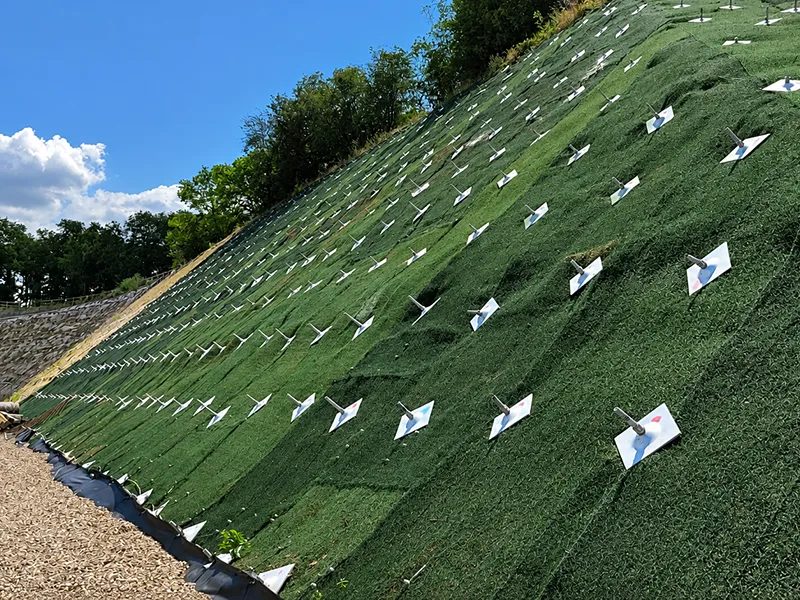
Self-drilling anchor bolt systems are widely used in slope stabilization projects for reinforcing unstable slopes, fractured rock masses, and loose soil formations. They provide reliable ground reinforcement solutions for highway slopes, mountain slopes, embankments, retaining walls, and rockfall protection systems.
During slope stabilization, the self-drilling anchor system transfers tensile and shear forces from unstable soil or rock layers to deeper stable formations, improving overall slope stability. The hollow anchor rods can be cut and extended using couplers, allowing flexible installation along irregular slope profiles and in restricted construction areas.
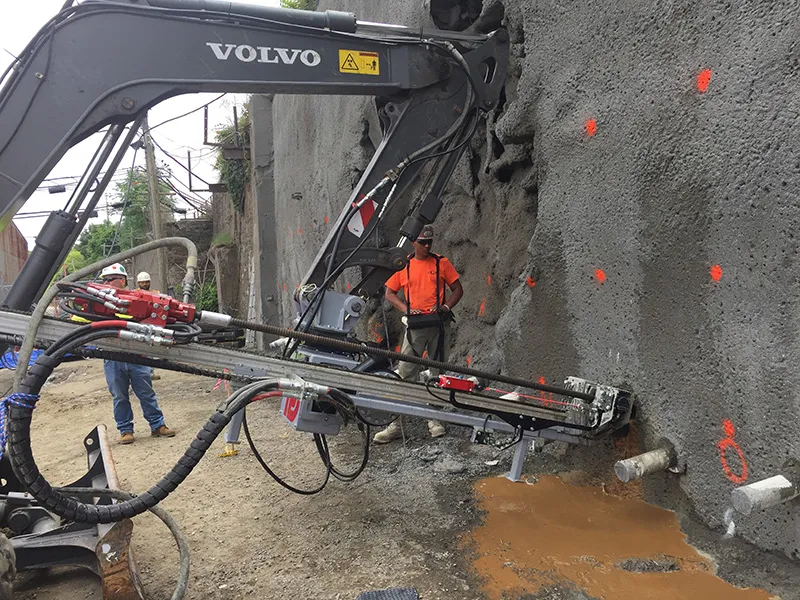
Self-drilling soil nails are widely used for slope reinforcement and stabilization. The system provides immediate reinforcement by drilling and grouting simultaneously, making it suitable for loose soil, fractured rock, and unstable slopes where conventional soil nails may face installation difficulties.
Self-drilling anchor systems are commonly used for retaining wall reinforcement and structural strengthening. By transferring loads from retaining structures into stable ground layers, they improve the bearing capacity and long-term stability of retaining walls. The flexible installation method allows self-drilling anchors to be applied in existing structures, narrow construction areas, and projects where conventional reinforcement methods are difficult to implement.
Self-drilling anchors can be used with slope protection systems and rockfall barriers to improve the stability of dangerous rock masses. They provide reliable anchoring performance for preventing rock movement and enhancing long-term slope safety. The system is suitable for mountainous areas, transportation infrastructure, and construction sites requiring long-term rockfall prevention and slope protection.
Projects
In slope stabilization projects, self-drilling anchor systems can be used for soil nailing, retaining wall reinforcement, rockfall protection, embankment stabilization, and roadbed reinforcement. They provide efficient alternatives to conventional anchor rods and reinforcement methods in complex geological environments.
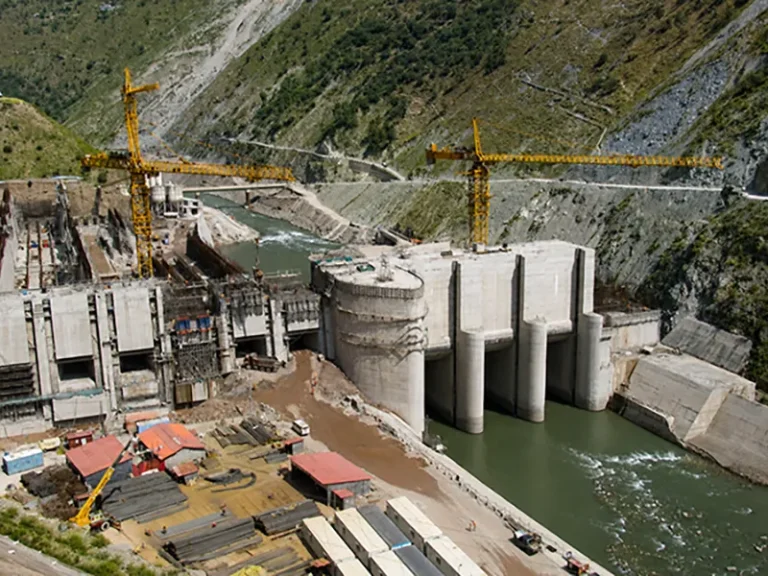
Tarbela Hydropower Plant Slope Support Project
Location: Pakistan
Services: R32 Self-Drilling Anchor Bolts, Technical Solutions
Recommended Specifications
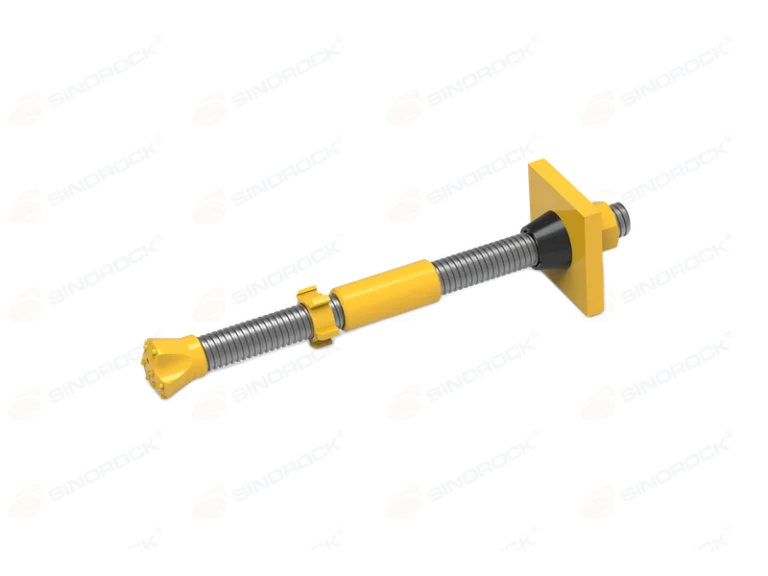
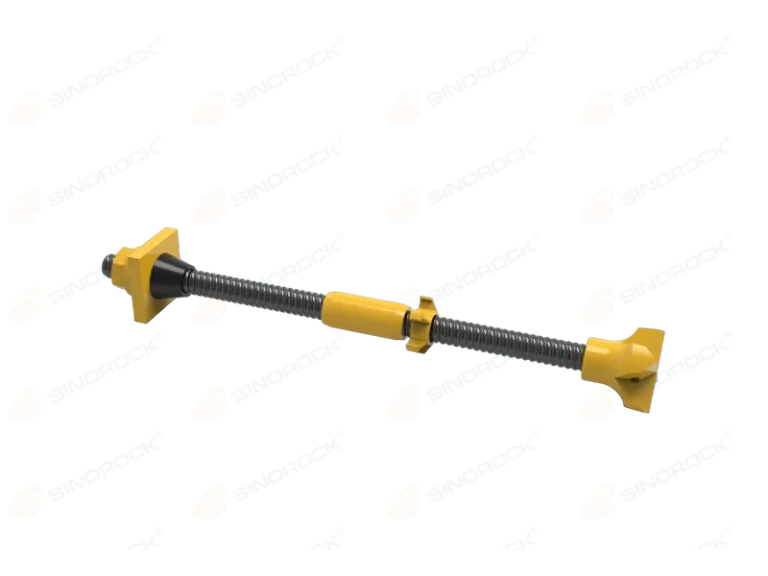
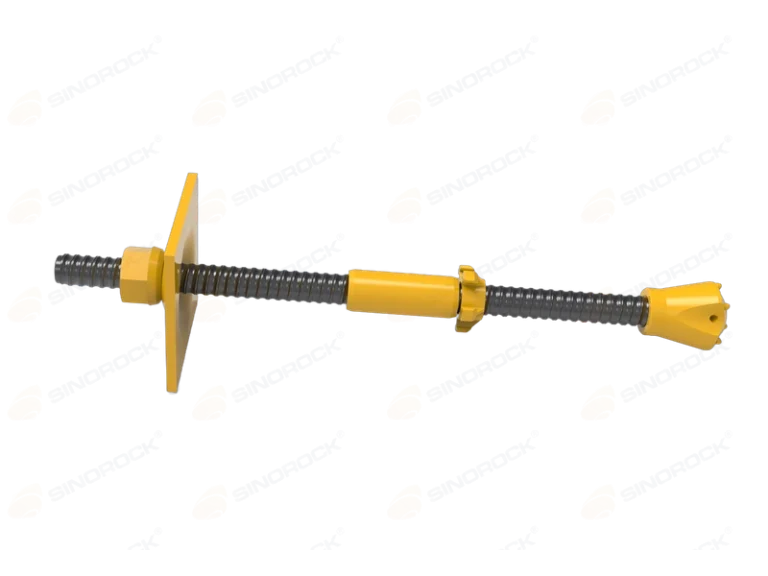
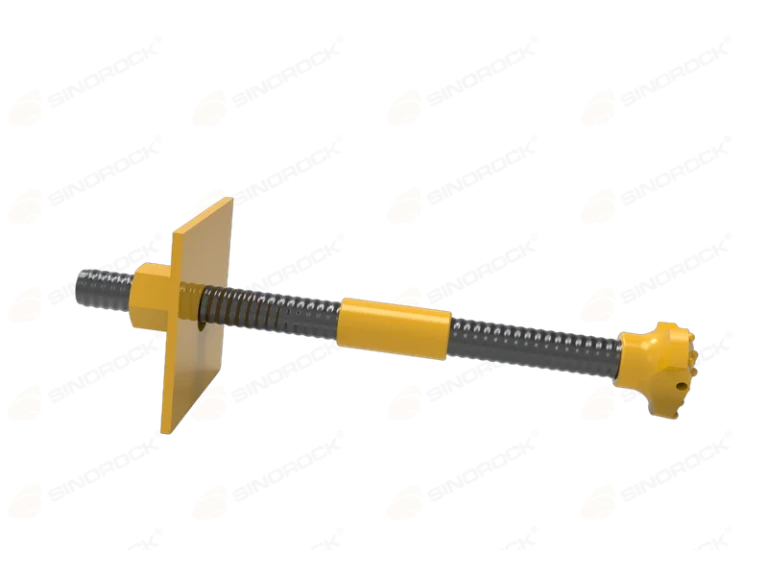
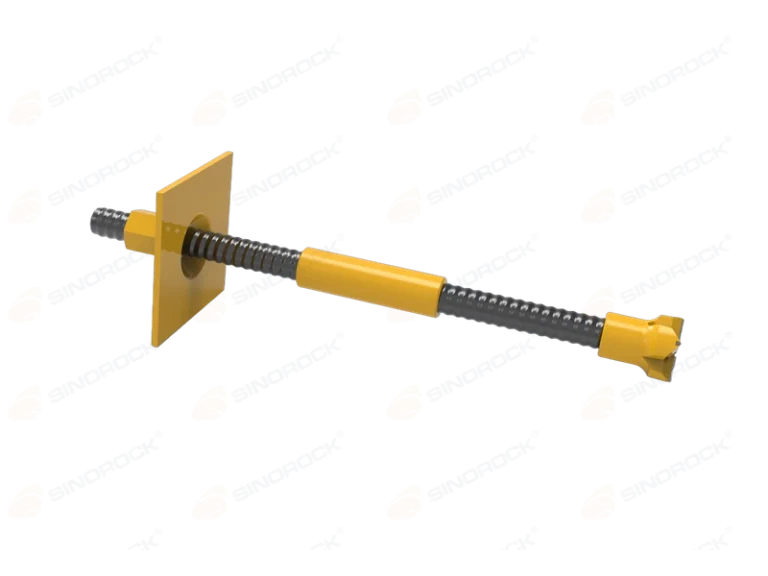
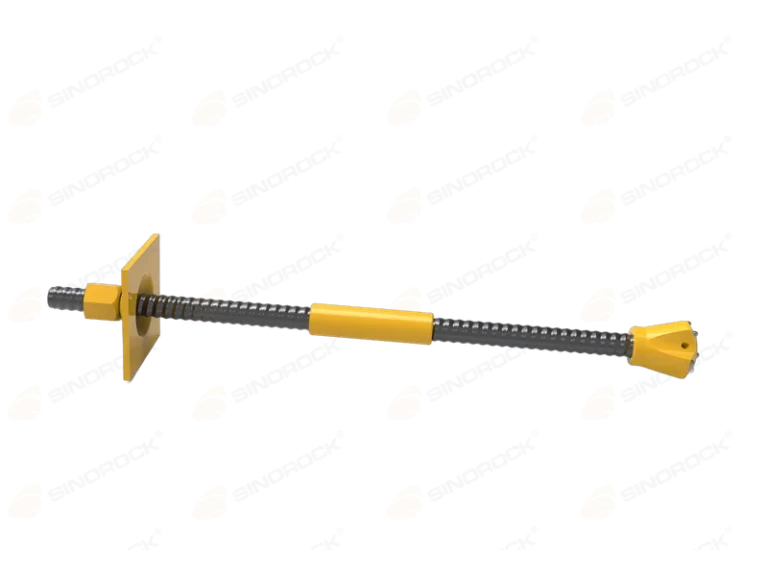
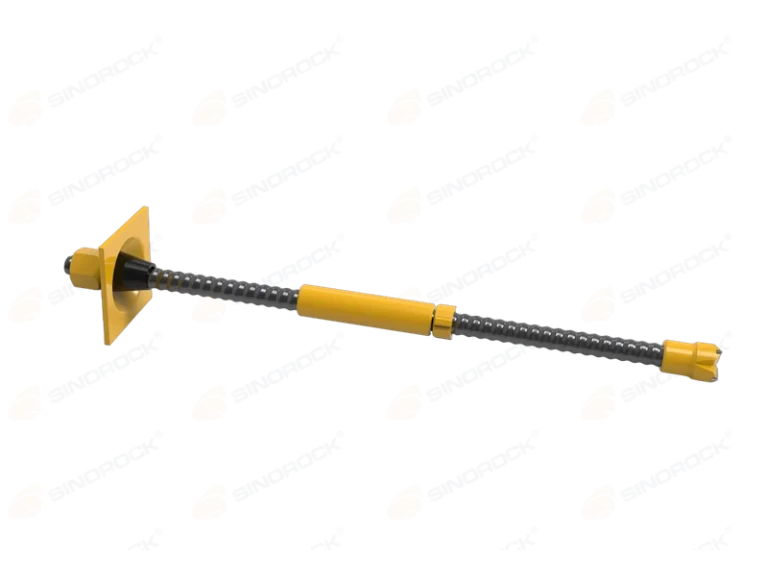
For slope stabilization applications, self-drilling anchor systems generally consist of hollow anchor rods, nuts, plates, couplers, centralizers, and drill bits. Component selection can be adjusted according to geological conditions, slope height, and reinforcement requirements.
Advantages in Slope Stabilization
Effective anchoring solutions for unstable slopes and soil reinforcement.

High Construction Efficiency
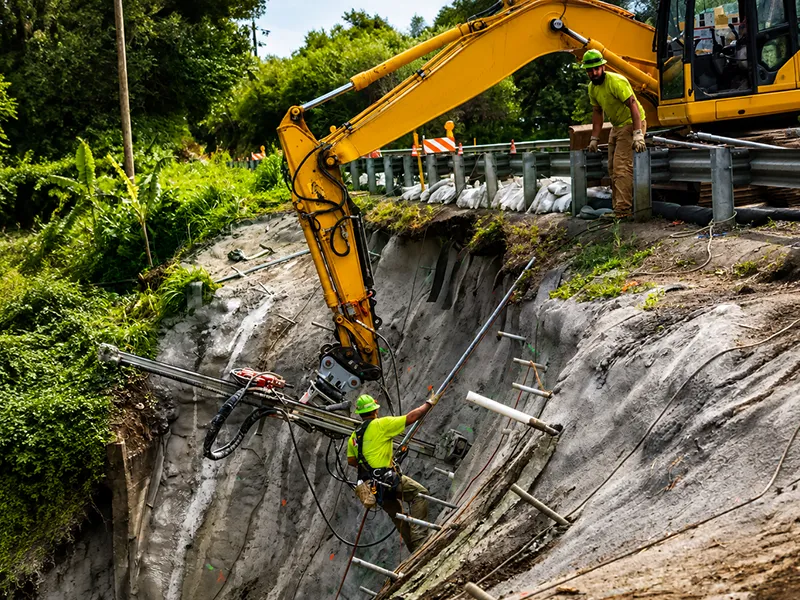
The self-drilling anchor system combines drilling, grouting, and anchoring, allowing it to complete stabilization in a single step. Compared with conventional anchors that require separate drilling and grouting, construction speed can be increased by 3–5 times, while overall cost is reduced by over 40%.

Suitable for Slopes with Limited Access
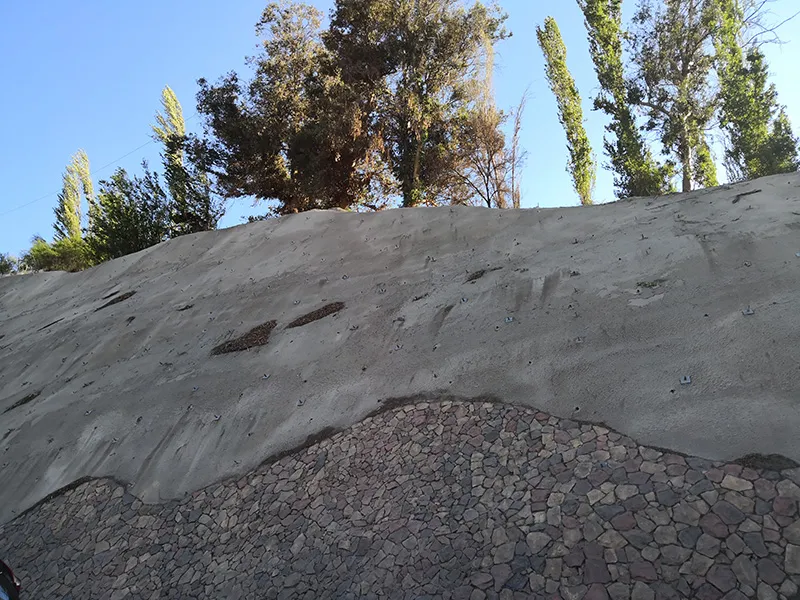
The hollow anchor rods feature full-length threads and can be installed at any angle or position using couplers. By utilizing compact drilling rigs, construction can be performed in steep, narrow, or restricted slope areas, such as highway embankments, riverbanks, and mountain slopes.

Excellent Anchoring and Adaptability
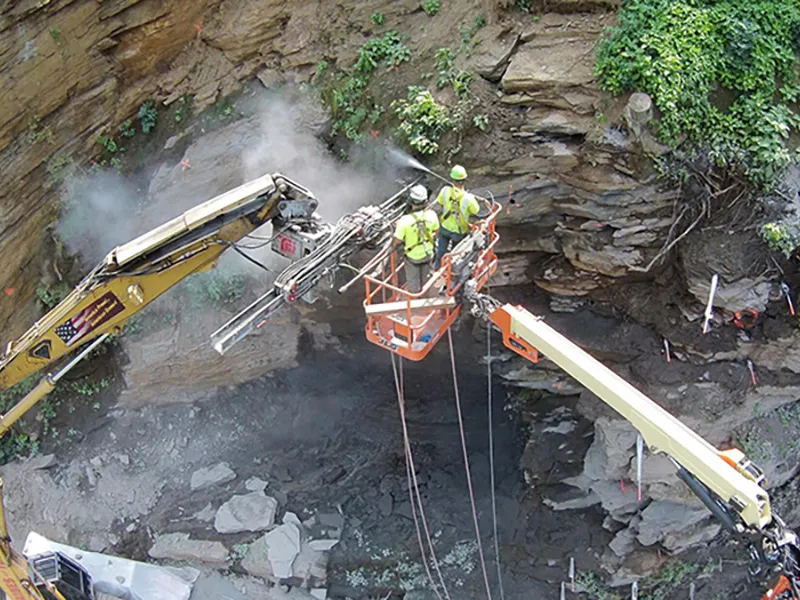
The self-drilling anchor effectively transfers loads from unstable soil or rock layers to deeper, stable formations, enhancing slope stability. It adapts well to fractured or mixed rock-soil structures, preventing anchor failure due to debris or collapse. Its flexibility allows anchors to be positioned along irregular slope profiles, ensuring comprehensive reinforcement.

High Safety and Reduced Maintenance
During construction, workers can operate away from potential slide areas thanks to the mechanized installation process. The integrated drilling and grouting reduce exposure to loose or unstable ground, minimizing risk. Anchored slopes require less maintenance over time due to the improved bond between grout, rod, and surrounding soil/rock.
FAQs
The appropriate specification depends on several factors, including:
- Geological conditions
- Slope height and inclination
- Required anchoring force
- Reinforcement depth
- Construction equipment conditions
Engineering analysis should be conducted to determine the suitable anchor diameter, strength grade, and length.
Traditional soil nails usually require separate drilling, installation, and grouting procedures, which may be difficult in unstable ground conditions. Self-drilling soil nails integrate these processes into one step, improving construction efficiency and reducing the risk of hole collapse during installation.
The main advantages include:
- Faster installation by combining drilling, grouting, and anchoring
- Better adaptability to complex geological conditions
- Reduced risk of borehole collapse
- Flexible installation in restricted access areas
- Improved bonding between grout and surrounding soil or rock
- Lower overall construction costs compared with traditional methods
The installation depth depends on geological conditions, slope stability requirements, and project design. In general applications, self-drilling anchors can achieve several meters to over ten meters of anchoring depth when appropriate equipment and specifications are selected.