Mining
Self-Drilling Anchor Bolt Systems for Mining
Self-drilling anchors are widely used in mining projects for open-pit slope support and underground tunnel applications. They provide reliable pre-support in fractured rock, enhancing excavation efficiency and stability. With high rod strength and long spans, they accelerate mining progress and reduce overall support costs.
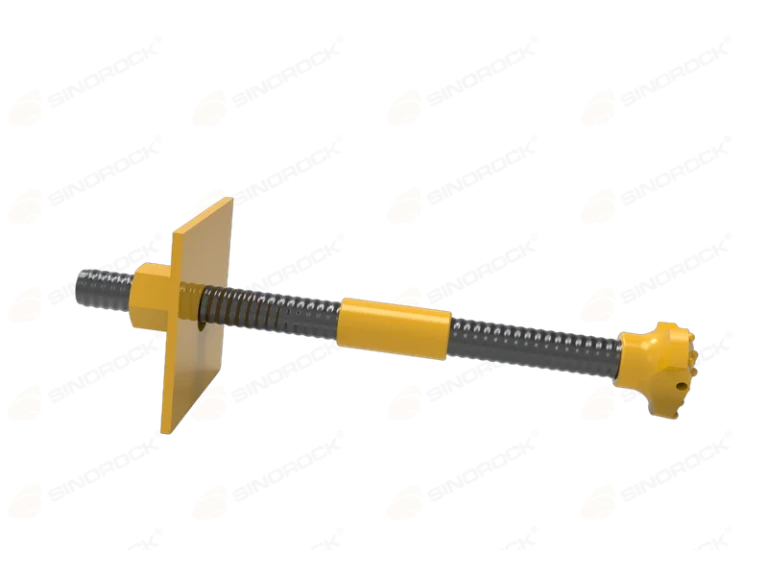
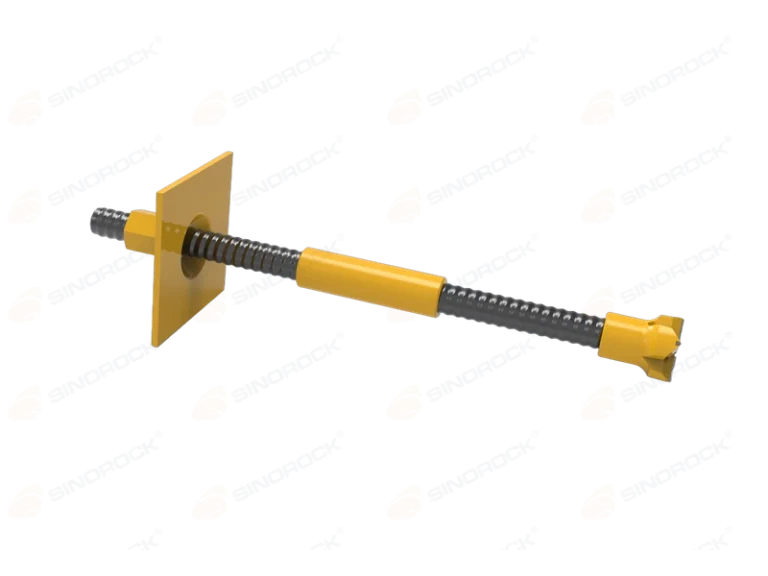
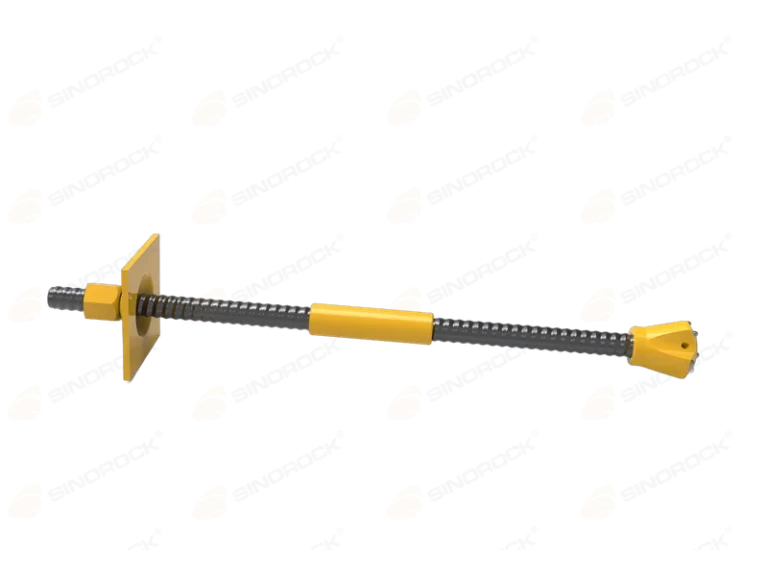
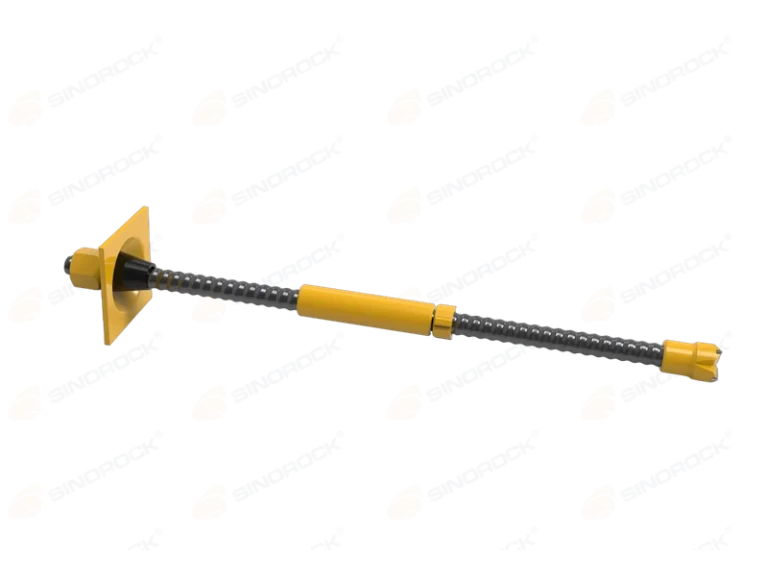
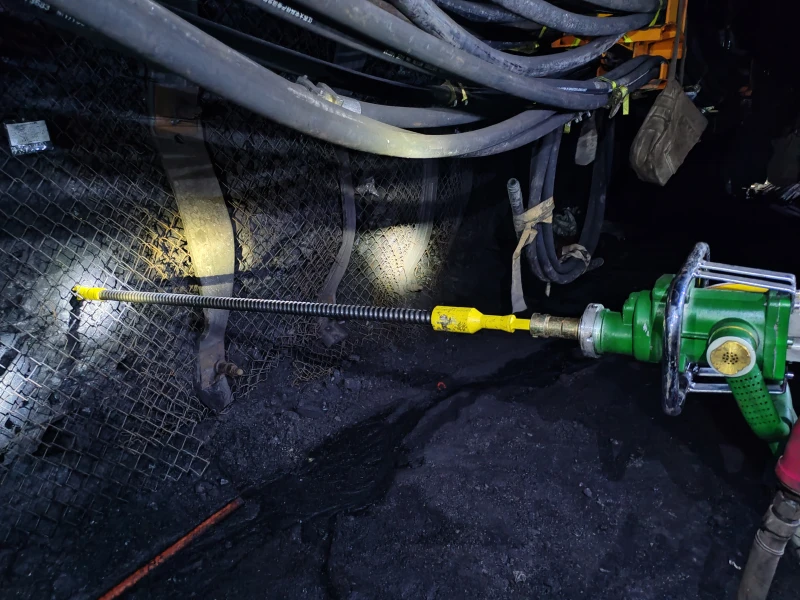
This anchoring system integrates drilling, grouting, and anchoring functions into one, making it suitable for fractured and difficult-to-drill surrounding rock. It significantly improves construction efficiency, shortens the construction period, and reduces the overall construction cost. The hollow anchor rod can be arbitrarily cut and extended using couplers, making the self-drilling anchor bolt suitable for radial support in mine roadways.
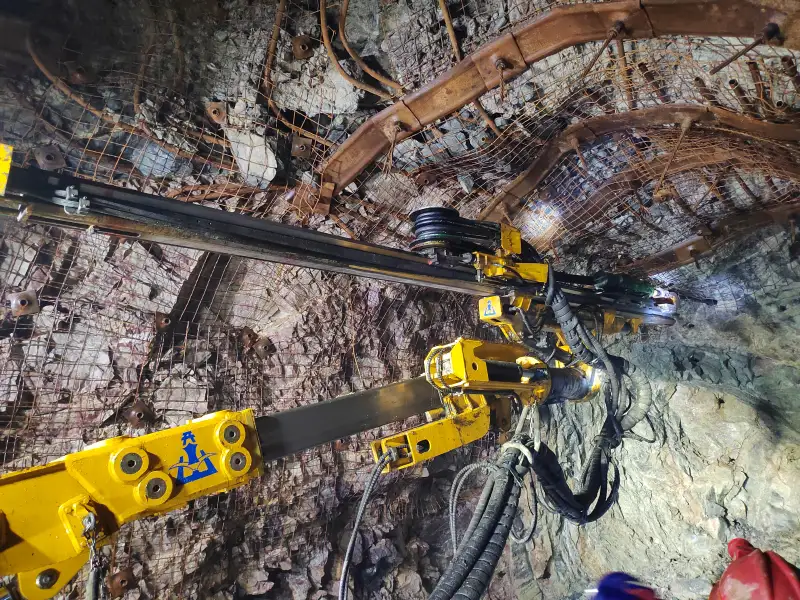
Self-drilling anchor bolt systems are used for roof, sidewall, and roadway reinforcement in underground mines, especially in fractured and unstable rock conditions. They provide reliable support while improving construction efficiency and safety.
Self-drilling anchor bolt systems are applied for reinforcing unstable slopes and fractured rock masses in open-pit mines. They improve slope stability and provide an efficient solution for challenging geological conditions.
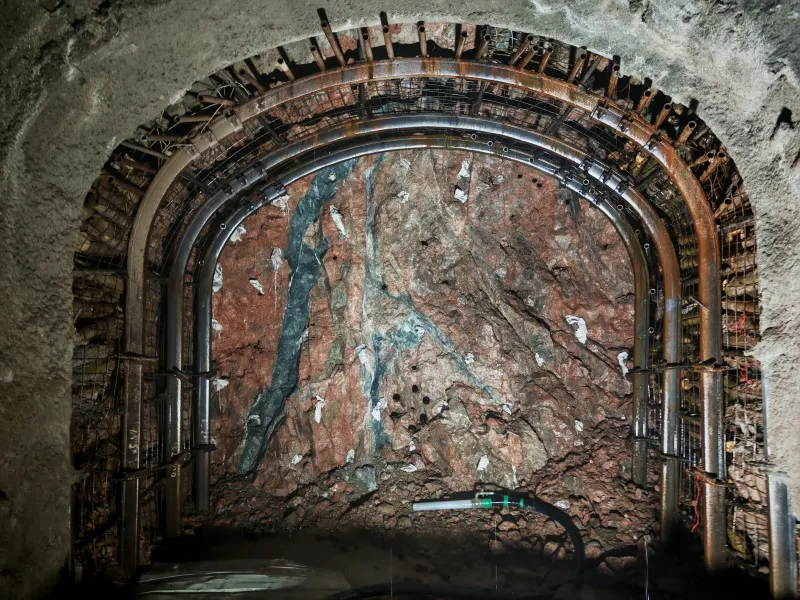
Self-drilling anchor bolt systems are used as advance support for mine roadway excavation and underground construction. They provide rapid pre-support in fractured surrounding rock, improving excavation efficiency and reducing support costs.
Projects
In mining support, the self-drilling anchor system can serve as systematic rock bolts, footproof bolts, roof bolts, invert bolts, forepoling pipes among others. It can replace reinforced anchor rods, ordinary hollow anchor rods, and small ductules, etc.
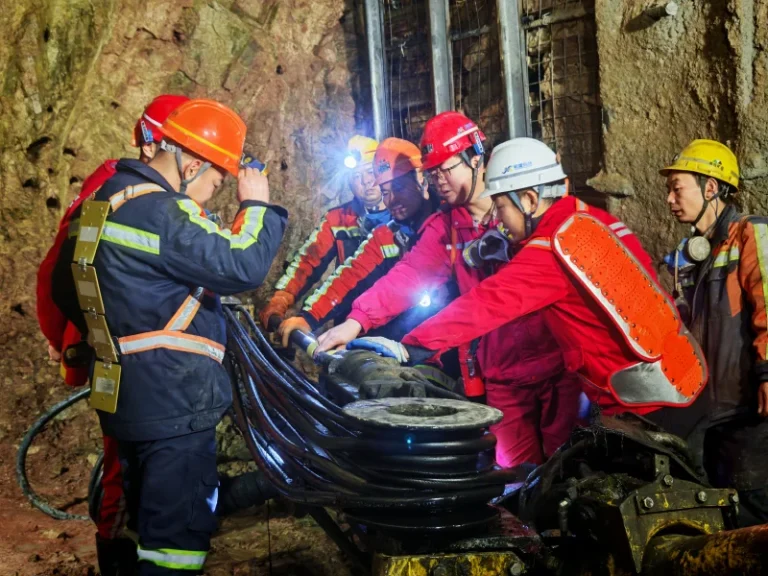
Xinjiang Copper-Gold Mine Underground Pre-Support
- Location: China
- Application: Self-drilling pipe roof support system
- Services: R51 Self-Drilling Anchor Bolts, Tunneling Jumbo, On-Site Technical Support
Recommended Specifications
In mining projects, the self-drilling anchor systems are generally composed of components such as hollow anchor rods, nuts, plates, couplers, centralizers, and drill bits. Depending on their specific applications, certain components may be added or removed.
Advantages in Mining Applications
Enhanced stability and safety in underground mining operations.

High Construction Efficiency
The self-drilling anchor system integrates drilling, grouting, and anchoring into a single operation, eliminating the need for separate drilling and installation procedures. In difficult-to-drill formations, it can replace conventional reinforcement methods such as steel bars, traditional hollow anchor rods, and perforated grouting pipes, significantly improving installation efficiency and reducing overall construction costs.

Flexible Installation in Limited Spaces
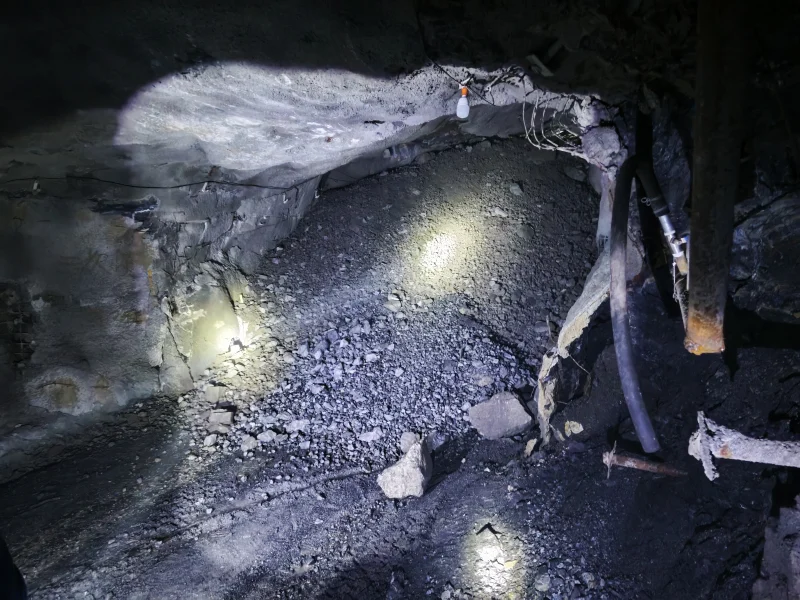
Featuring full-length threads, the hollow anchor rod can be cut at any position and extended with couplers to meet different support requirements. Combined with compact drilling equipment, the system enables efficient installation in narrow roadways and confined construction areas.

Excellent Adaptability to Complex Ground Conditions
Unlike conventional anchor systems that require stable boreholes for installation, self-drilling anchors perform drilling and grouting simultaneously without the need to remove the anchor rod. This allows effective installation in fractured, loose, and unstable surrounding rock conditions, providing reliable support across a wide range of geological environments.
FAQs
Self-drilling anchor systems are mainly used for mine roadway reinforcement, roof support, advance support, and slope stabilization.
Because drilling, grouting, and anchoring are completed in one process, the system avoids borehole collapse problems commonly encountered with conventional anchors.
Under suitable geological conditions, self-drilling anchors can achieve drilling depths of approximately 8–12 meters.
Common specifications include R25, R32, R38, and R51.