
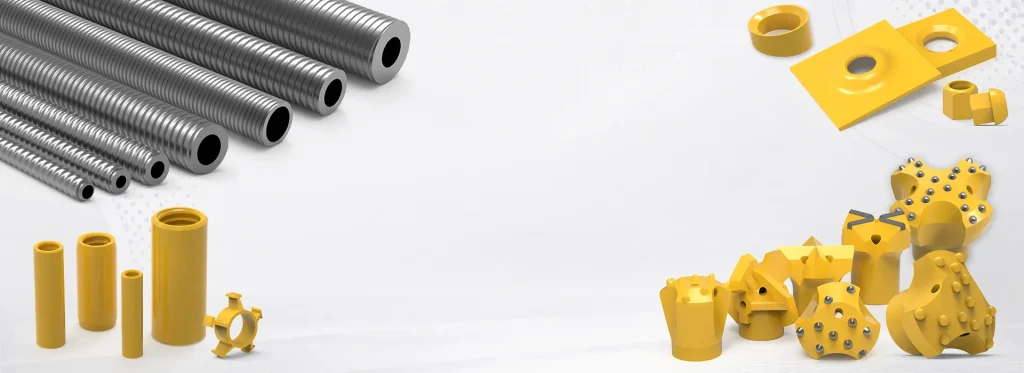









Rock Bolt Manufacturer & Rock Reinforcement Solutions
sinorock-logo-white-1
SELF DRILLING ANCHOR BOLT banenr8.15
divide

SELF - DRILLING
ANCHOR BOLT

divide2

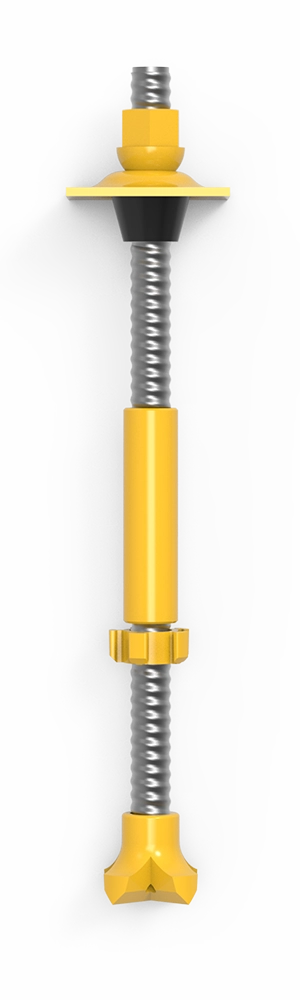
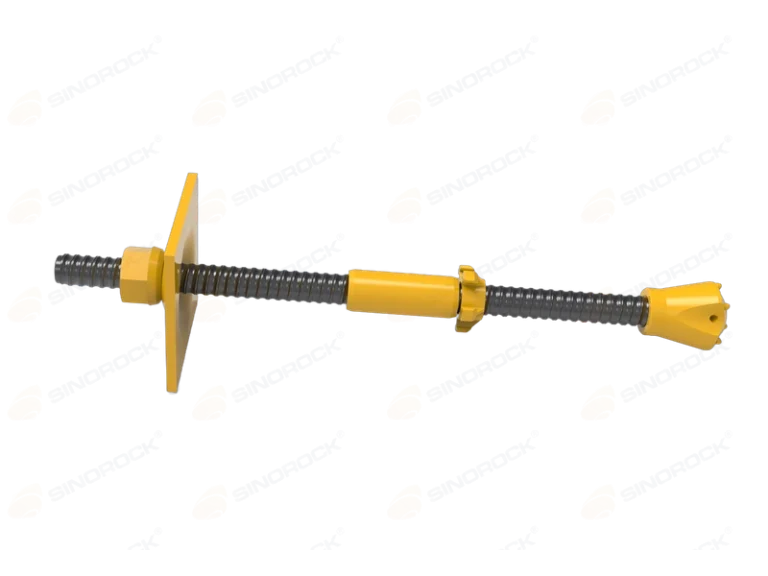
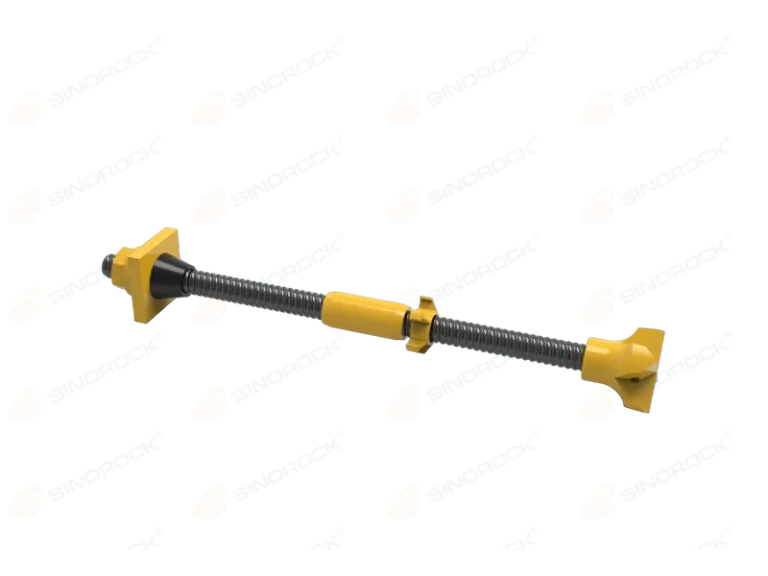
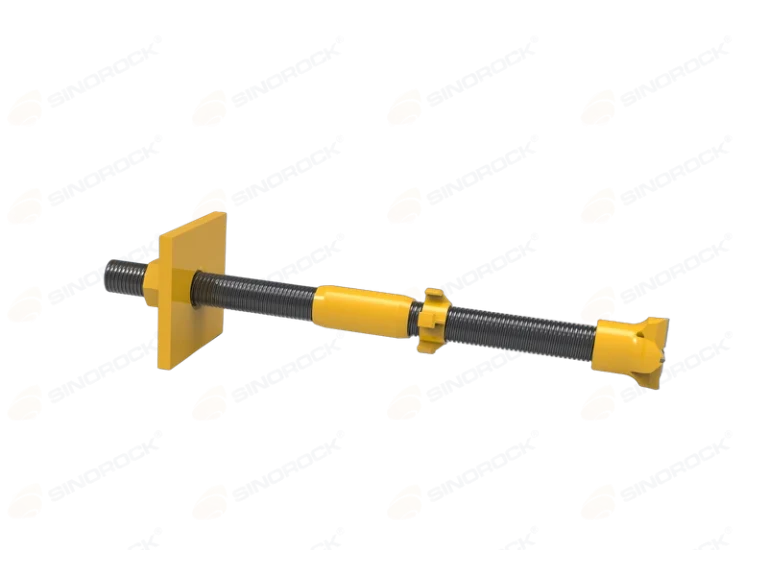
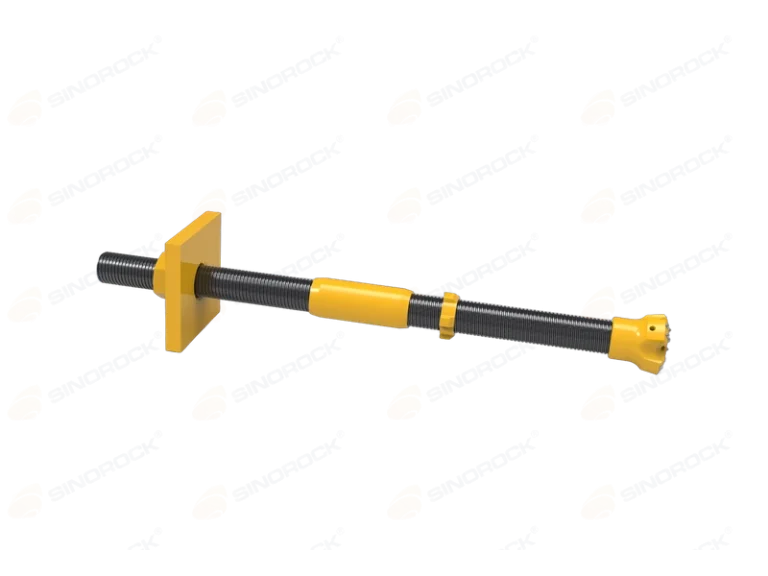
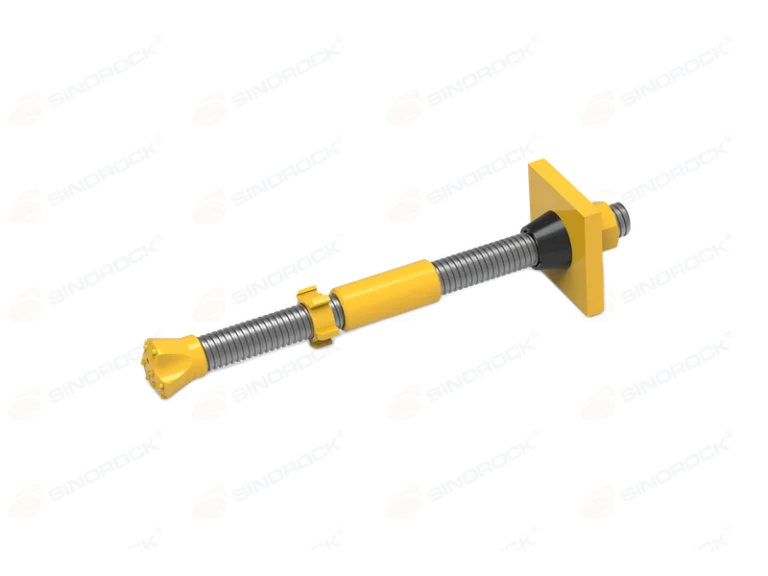
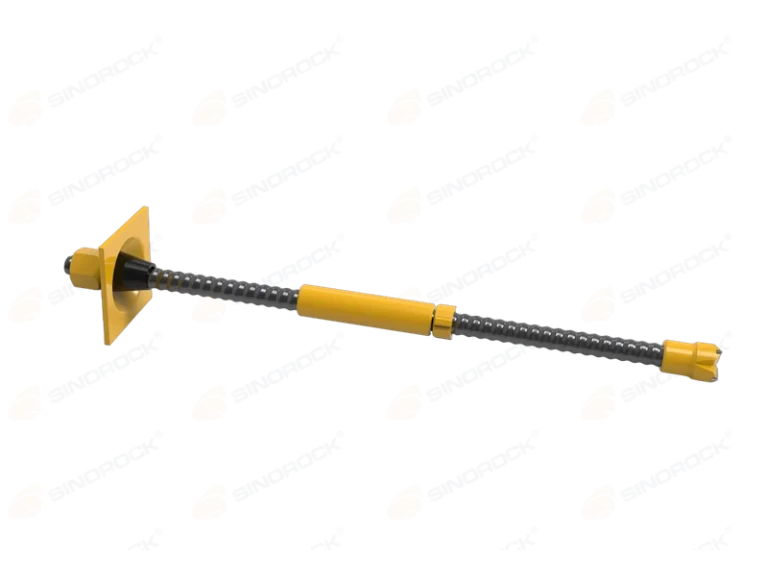
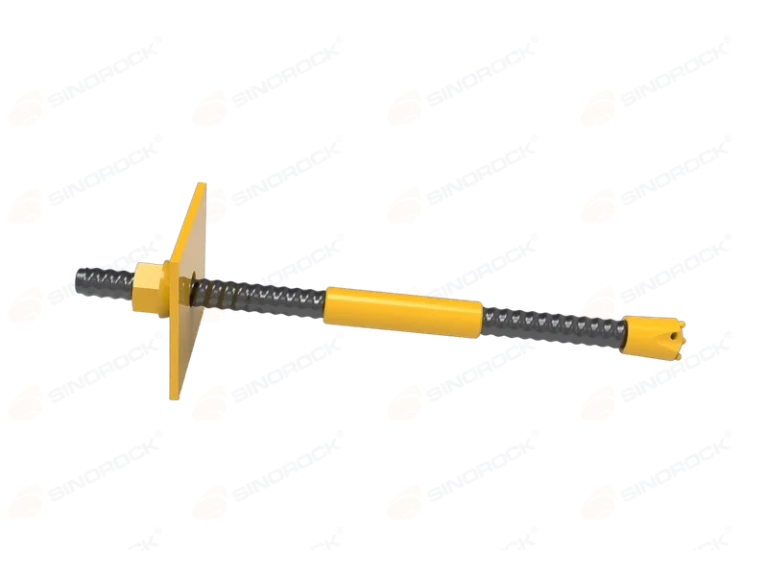
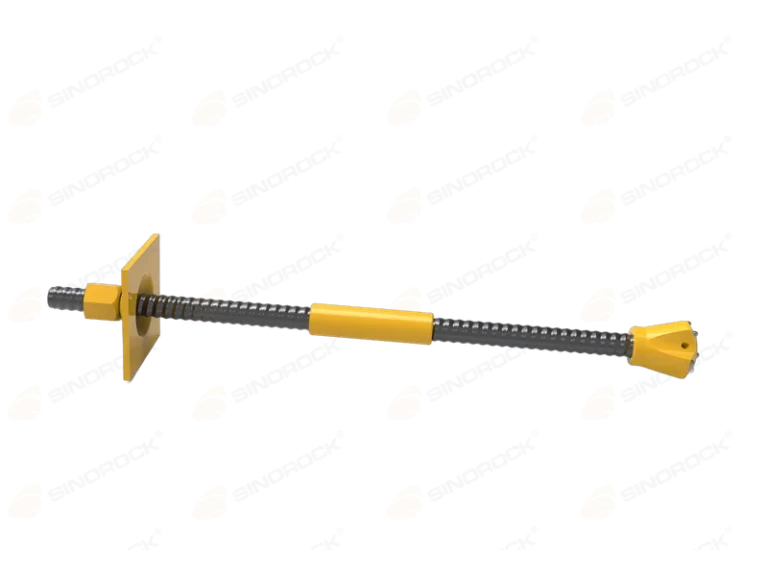
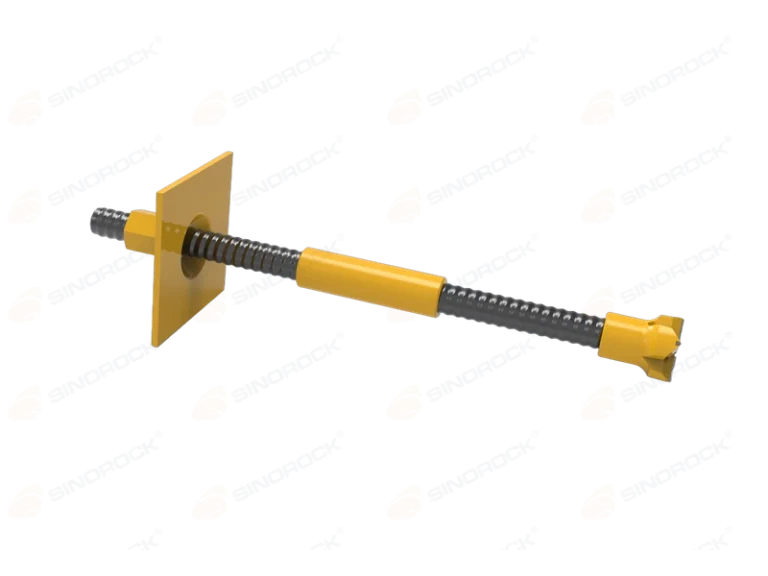
Structure Components of Self-Drilling Anchor Bolt System

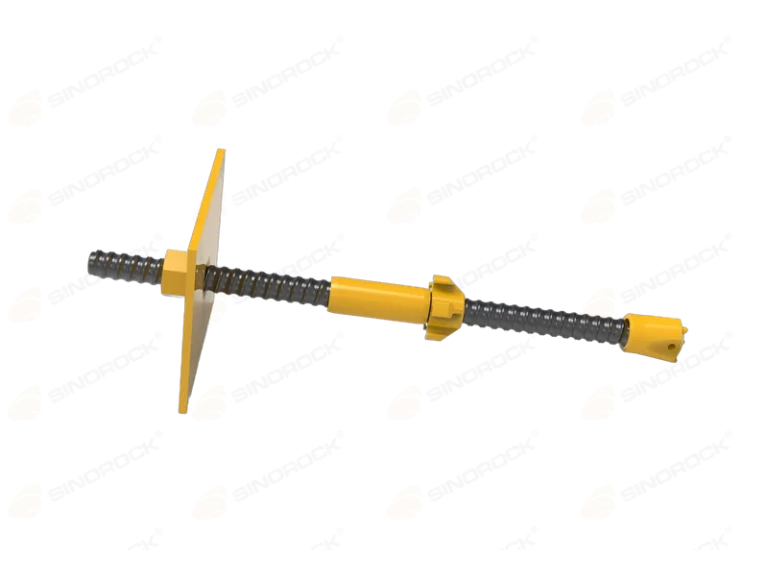
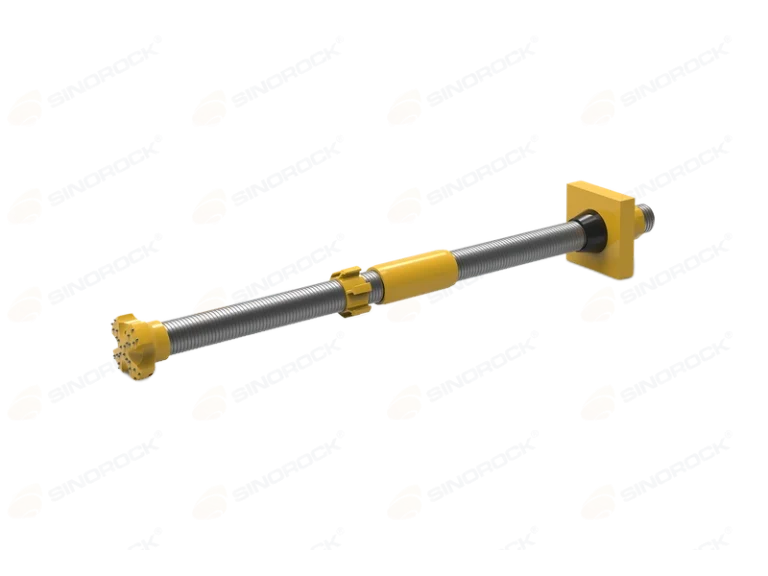
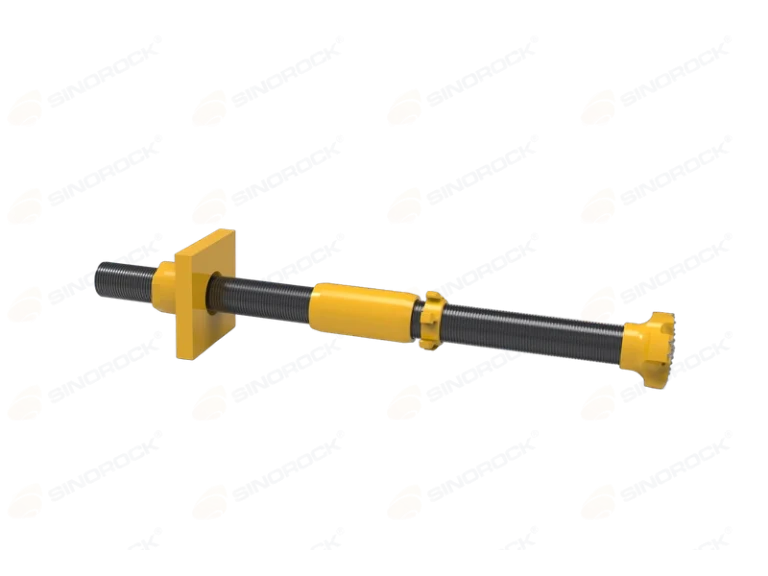
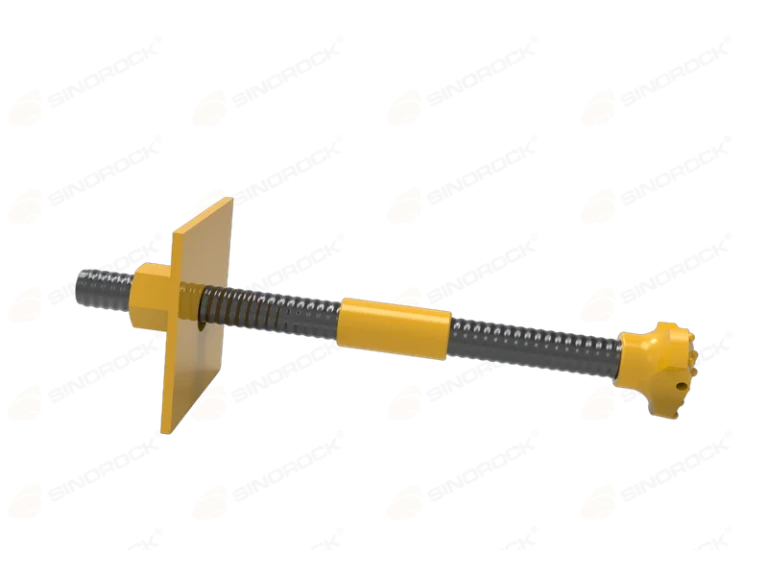
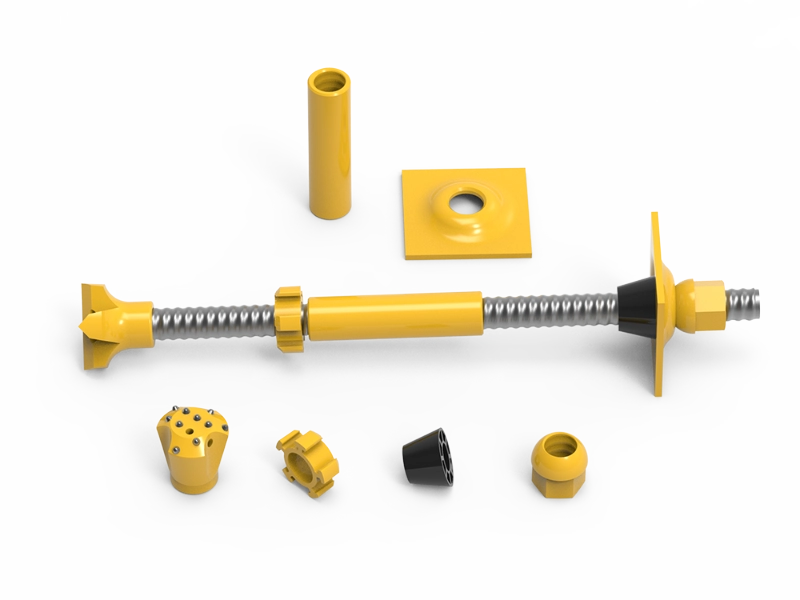
Self-drilling anchor bolt system is an integrated anchoring solution that combines drilling, anchoring, and grouting functions. It consists of hollow anchor bars and various accessories to provide efficient and reliable ground support in complex geological conditions.

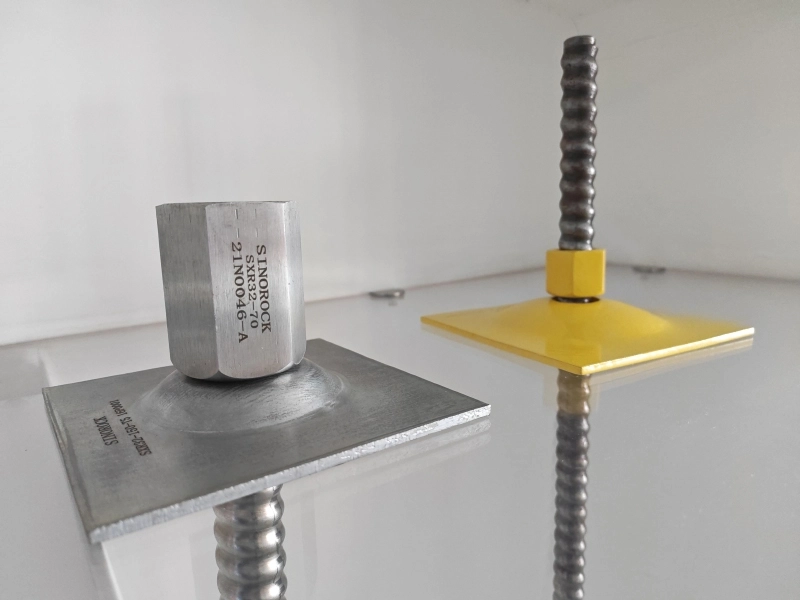
Plate

A load-bearing component that transfers anchoring force from the anchor system to the surrounding rock.

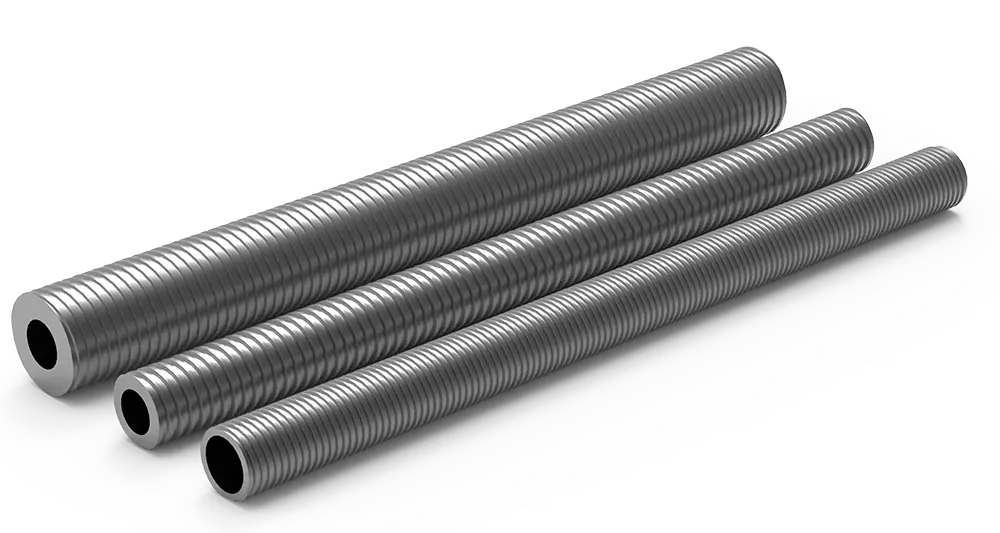
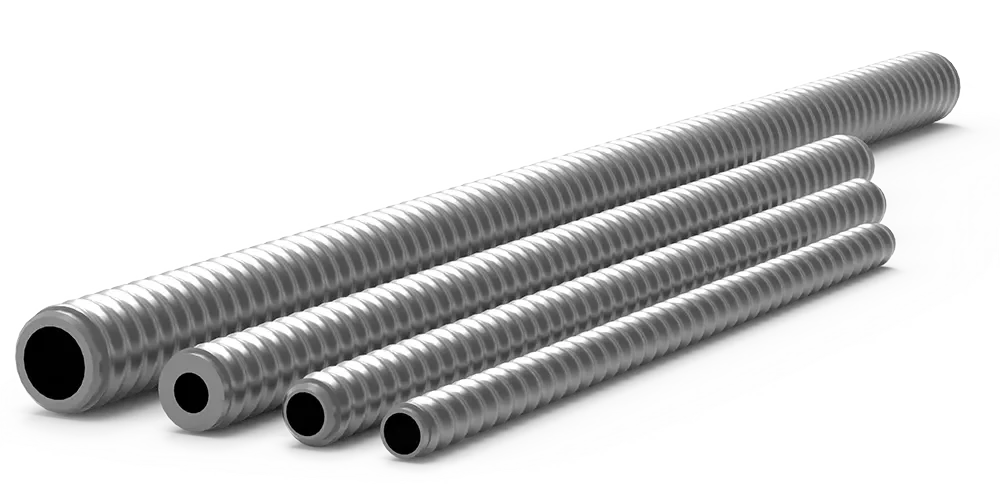
Hollow Anchor Bar

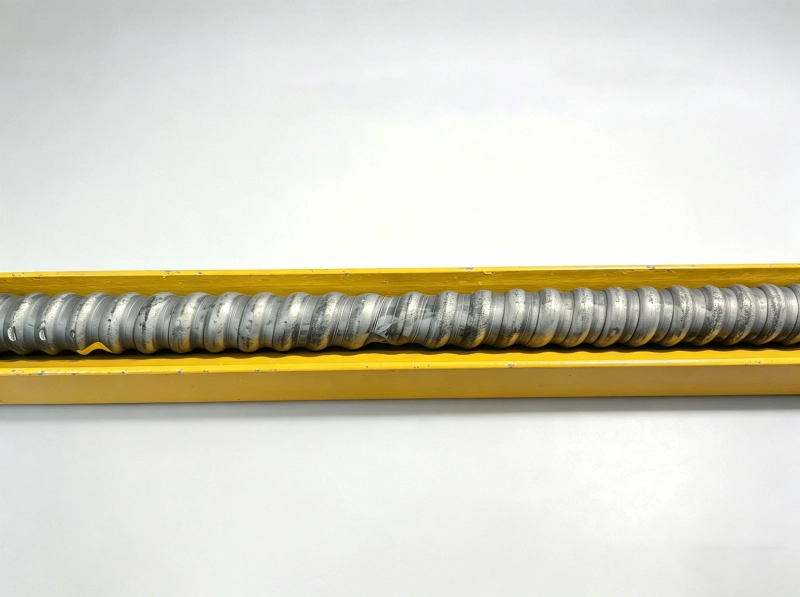
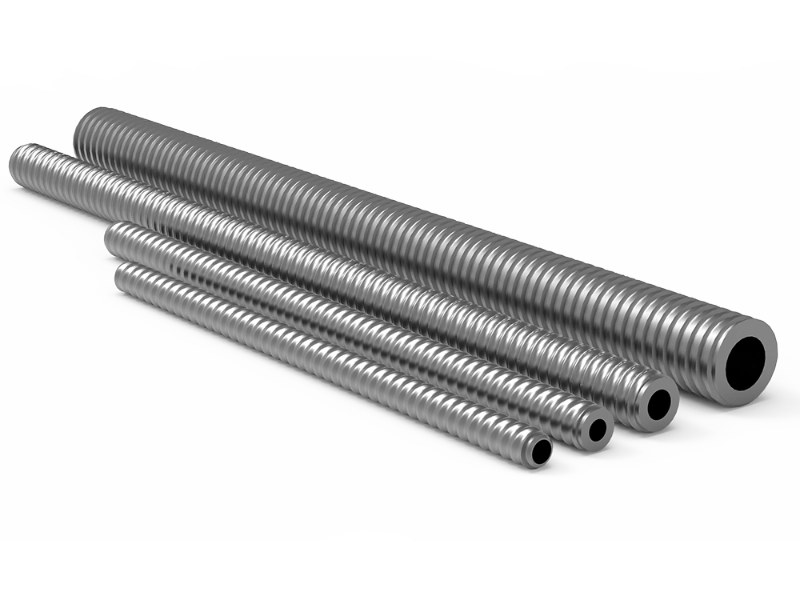
A hollow steel bar with continuous external threads along its full length, serving as the main component of the self-drilling anchor system.

Centralizer

A component designed to keep the hollow anchor bar centered inside the borehole.

Structure Components of Self-Drilling Anchor Bolt System
Nut

A threaded component used to lock the bearing plate and transfer anchoring force from the hollow anchor bar to the plate.

Plug

A component used to prevent grout leakage during the grouting process.

Coupler

An internally threaded sleeve used to connect and extend hollow anchor bars.

Drill Bit

A drilling component installed at the end of the hollow anchor bar. Different drill bit types can be selected according to geological conditions.

Product Categories

T Thread Self Drilling Anchor Bolt System

T-thread provides a larger engagement area and stronger mechanical interlock between the bar, coupler, nut, and grout, delivering superior tensile and torsional capacity with excellent resistance to thread stripping during rotary-percussive drilling. Available from T30 to T200, it covers applications from conventional ground support to high-load micropiles.

T thread e1788337555946
T30-SDA-bolt
T40-self-drilling-anchor-bolt
T52-self-drilling-anchor-system
T64-self-drilling-anchor-bolt
T73-self-drilling-anchor-system
t76-self-drilling-anchor-system
t103-self-drilling-rock-bolt
T111-self-drilling-anchor-bolt

R Thread Self Drilling Anchor Bolt System

R-thread features a continuous rope-type external thread design, enabling fast coupling, easy installation, and reliable connection performance throughout the hollow bar system. Its continuous thread profile provides excellent adaptability for drilling, extension, and grouting operations, while maintaining stable load transfer between the bar, coupler, nut, and grout. Available from R25 to R51, it is widely applied in tunneling, mining, slope stabilization, and other ground reinforcement projects.

R thread e1788337579429
R25-self-drilling-anchor-bolt
R28-self-drilling-anchor-bolt
R32-self-drilling-anchor-bolt
R38-self-drilling-anchor-system
R51-self-drilling-rock-bolt

High-Elongation Self Drilling Anchor Bolt System

High-Elongation Self-Drilling Anchor Bolt System is designed for ground conditions requiring enhanced deformation capacity and energy absorption. With excellent ductility and elongation performance, it can accommodate ground movement and deformation while maintaining reliable anchoring force. It is ideal for dynamic environments such as seismic zones, squeezing ground, mining excavations, and complex geological conditions.

5 High-Elongation Self Drilling Anchor Bolt System

High-Strength Self-Drilling Anchor Bolt System

High-Strength Self-Drilling Anchor Bolt System is engineered to provide superior load-bearing capacity and structural reliability in demanding ground reinforcement applications. With high tensile strength and excellent mechanical performance, it ensures stable support under heavy loads and challenging geological conditions. It is widely used in deep foundations, large-span tunnels, mining support, and high-load anchoring projects.

6 High-Strength Self-Drilling Anchor Bolt System

Low-Carbon Self-Drilling Anchor Bolt System

Low-Carbon Self-Drilling Anchor Bolt System is developed to support sustainable construction through optimized material selection and manufacturing processes with reduced carbon emissions. By improving resource efficiency and minimizing environmental impact while maintaining reliable anchoring performance, it provides an eco-friendly solution for modern tunnel, mining, slope, and foundation reinforcement projects.

7 Low-Carbon Self-Drilling Anchor Bolt System

All products are certified to ISO and CE standards, ensuring reliable performance and international quality compliance.

Why choose Sinorock

0
+
Patents

We continuously invest in R&D to develop advanced anchoring technologies and provide reliable solutions for global rock reinforcement projects.

R22 to T200

Specification

From R22 to T200, Sinorock is the leading manufacturer of large-diameter hollow anchor bars in Asia.

CORROSION RESISTANCE

Corrosion Resistance

Available in hot-dip galvanized, epoxy, and dual-coating finishes to meet the toughest corrosion-resistance requirements in challenging environments.

Tensile strength

Performance

Tensile strength over 1200 kN, fully customizable to meet high-strength engineering project demands.

Application

Sinorock self-drilling anchors are widely used in underground and geotechnical engineering, providing efficient, high-strength, and reliable support solutions for challenging construction projects.

Mining

Stabilize underground mine walls and shafts, ensuring safety in fractured rock and loose soil.

Tunnel

Provide fast and reliable support for tunnels in soft rock or fractured surrounding rock, thereby reducing construction time.

Foundation

Reinforce building and infrastructure foundations, improving stability and load-bearing capacity.

Slope

Prevent landslides and soil erosion, supporting slopes and retaining walls in difficult terrain.

Complete Service Solutions

As a leading manufacturer of self-drilling anchor bolts, we provide high-quality products and comprehensive support to help customers achieve safe, efficient, and reliable geotechnical solutions.

Product Solutions

We specialize in self-drilling anchor bolts and related products, providing reliable and efficient solutions to meet various geotechnical engineering needs.

Technical Support

Our professional technical team provides product guidance, installation tips, and basic application advice, helping customers maximize product performance on site.

Product Selection Guidance

We offer product selection advice based on geological conditions, project requirements, and construction scenarios. Detailed product documentation—including drawings, application notes, and drill bit selection guides—is provided to support informed decisions.

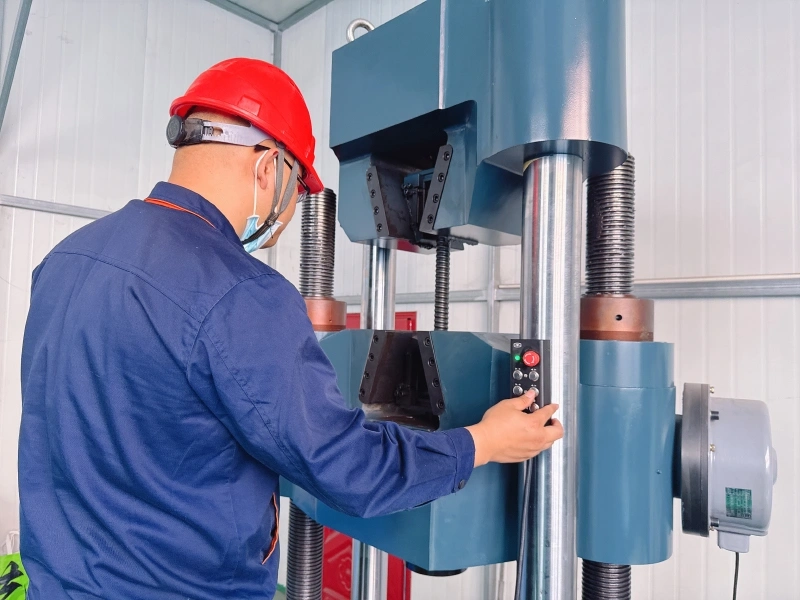
On-site Sample Testing

Sample testing allows customers to verify product performance and anchoring effect. Testing can be carried out at the project site or other locations with similar geological conditions.

Equipment and Tool Support

We provide advice on tools and equipment compatible with our self-drilling anchor bolts to improve efficiency and ensure safety during installation.

Training and Application Guidance

We offer training on proper product usage, tool handling, and basic application scenarios to help customers improve efficiency and safety. Training focuses on understanding products and best practices.

Customer Feedback

Customer feedback is essential for product improvement. We actively listen to users’ experiences to optimize our products, ensuring safer, more efficient, and cost-effective solutions.

FAQs

What ground conditions are Self-Drilling Anchor Systems suitable for?

Self-Drilling Anchor Systems are designed for unstable and difficult ground conditions where conventional drilling methods are ineffective.

They are ideal for:

·Loose soil and sand
·Gravel and cobbles
·Weathered or fractured rock
·Soft ground with groundwater
·Underground mining and tunneling
·Slope stabilization and foundation reinforcement

Because drilling, grouting, and anchoring are completed in a single operation, installation is faster and more efficient.

How do I choose the right anchor size and drill bit?

The appropriate anchor depends on your project requirements, including ground conditions, design load, drilling depth, and installation method.

Our engineering team can recommend:

·Anchor bar diameter and length
·Drill bit type and size
·Couplers and accessories
·Bearing plates and nuts
·Grouting recommendations

Simply provide your project details or drawings, and we will suggest the most suitable solution.

What corrosion protection options do you offer?

We provide multiple corrosion protection solutions to meet different project environments.

Available options include:

·Black steel
·Hot-dip galvanized
·Epoxy-coated
·Duplex corrosion protection (upon request)

Our team can recommend the appropriate protection level based on the service life and environmental conditions of your project.

Do your self-drilling anchor systems meet international quality standards?

Yes. Our products are manufactured under strict quality control procedures and can comply with international standards and customer specifications.

We provide:

·Mill Test Certificates (MTC)
·Material inspection reports
·Mechanical property test reports
·Dimensional inspection
·Third-party inspection upon request

Quality and traceability are maintained throughout the production process.

Can you provide customized products and fast delivery?

Yes. We support OEM and customized production according to your project requirements.

Our services include:

·Custom lengths and thread specifications
·Customized packaging and labeling
·Complete anchor system supply
·Fast production and worldwide shipping
·Technical support before and after sales

For standard products, we usually maintain inventory to ensure quick delivery.

Our News

July 2026 — SINOROCK successfully completed its annual Quality Month Campaign with the theme of “Addressing Customer Feedback and Eliminating Quality Risks Across the Entire Process.”

The campaign aimed to strengthen employees’ quality awareness, encourage full participation in quality management, and build a company-wide culture where everyone values, contributes to, and continuously improves product quality.

Throughout the month, SINOROCK organized a series of activities, including quality awareness meetings, customer complaint reviews, quality risk inspections, quality knowledge competitions, professional training sessions, and internal quality communication activities. These initiatives further integrated quality management into every department and every stage of production.

Customer Feedback Drives Continuous Improvement
Customer Feedback Drives Continuous Improvement

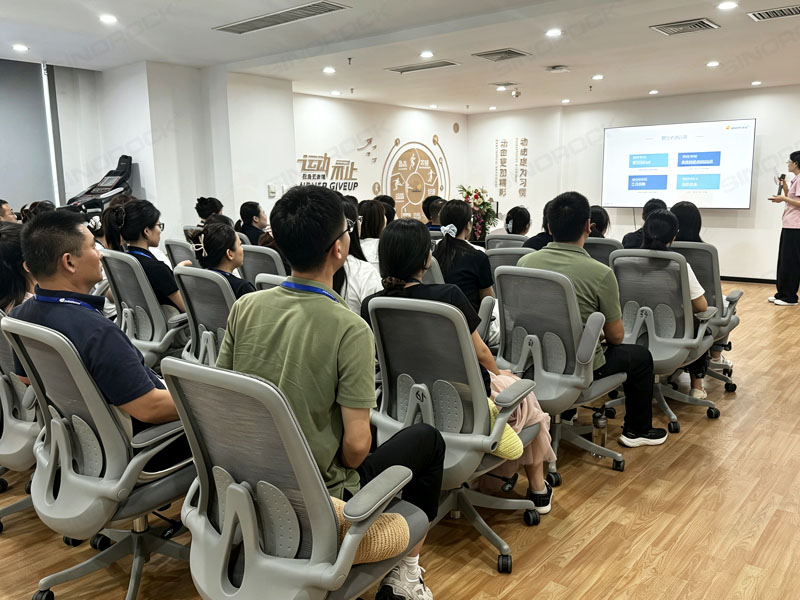
Customer feedback is an essential source for identifying potential quality issues and improving products and processes.

During Quality Month, SINOROCK conducted customer complaint review meetings, analyzing real cases from customer feedback, identifying root causes, and developing targeted improvement measures.

Through these case studies, employees gained a deeper understanding of how product quality impacts customer satisfaction and project performance. By transforming customer feedback into practical improvement actions, SINOROCK continues to optimize its quality management system and enhance product reliability.

Quality Is Everyone’s Responsibility
Quality Is Everyone’s Responsibility

Quality is not only the responsibility of the quality department — it is a commitment shared by every employee.

During the “Everyone Talks About Quality” communication sessions, employees from different positions shared their understanding of quality based on their daily work and responsibilities.

At the same time, SINOROCK organized a company-wide quality risk inspection activity. Employees actively participated in identifying potential risks within production processes, reporting issues, and proposing improvement suggestions.

These activities helped strengthen employees’ ability to identify and prevent quality problems, promoting a transition from “solving problems after they occur” to “preventing problems before they happen.”

Improving Skills Through Learning and Competition
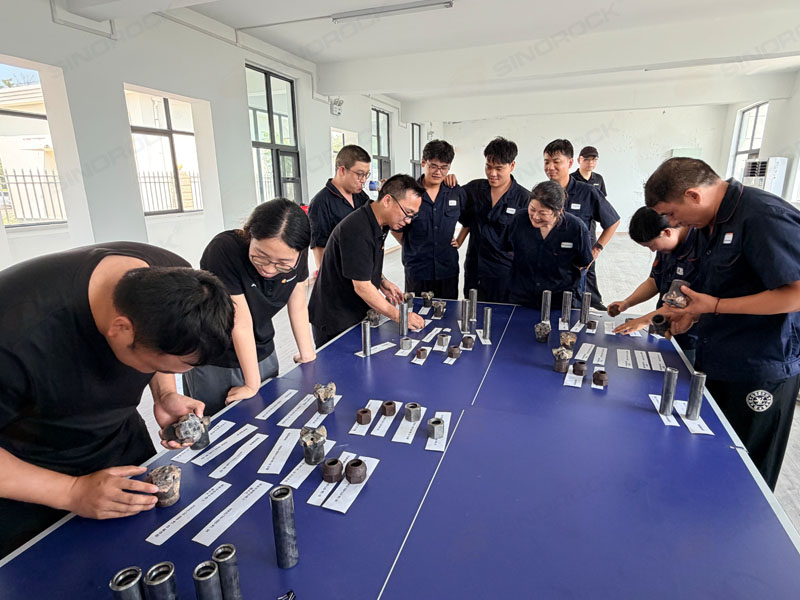
SINOROCK 2026 Quality Month

To further enhance employees’ professional knowledge and practical quality control capabilities, SINOROCK carried out various training sessions and competitions during Quality Month.

The “Product Matching Challenge” focused on 15 similar and easily confused product types. Participants were evaluated on their product identification accuracy and completion efficiency, improving their understanding of product specifications and classifications.

SINOROCK also organized a Quality Knowledge Competition featuring a 200-question quality knowledge database. The competition combined theoretical knowledge with real quality cases from company records, helping employees better understand quality standards and practical problem-solving methods.

In addition, professional training sessions were conducted, including:

  • Hardness tester operation training;
  • Product inspection knowledge sharing;
  • Inspection procedures and standards training;
  • Product inspection specification training.

These programs further improved employees’ capabilities in product inspection, process control, and quality assurance.

Strengthening Quality Awareness Through Real Cases

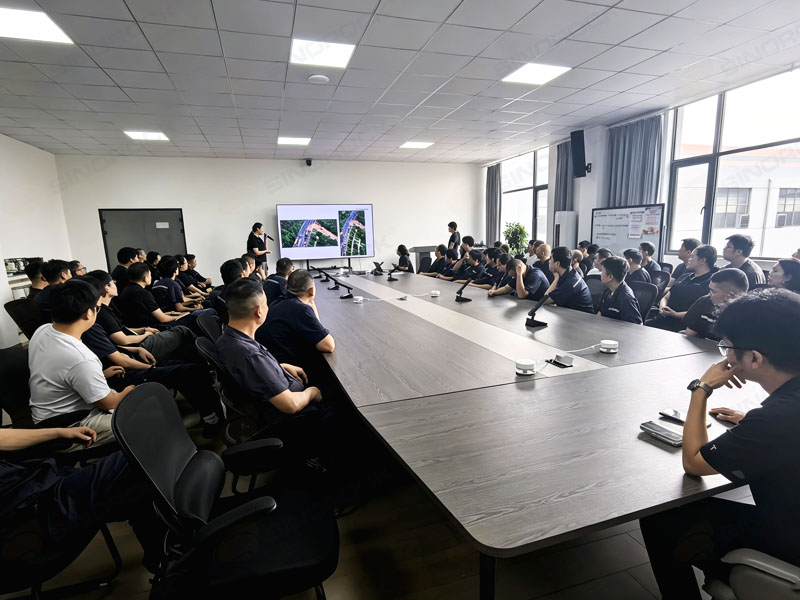
During Quality Month, SINOROCK held quality awareness meetings in different locations.

On July 13. the Quality Warning Conference was organized in Changzhou. On July 14. similar meetings were held at the Luoyang office and Luoyang branch.

Through reviewing quality-related cases and sharing lessons learned, these meetings further reinforced employees’ understanding of the importance of product quality and encouraged everyone to take greater responsibility for quality improvement.

Quality Is a Long-Term Commitment
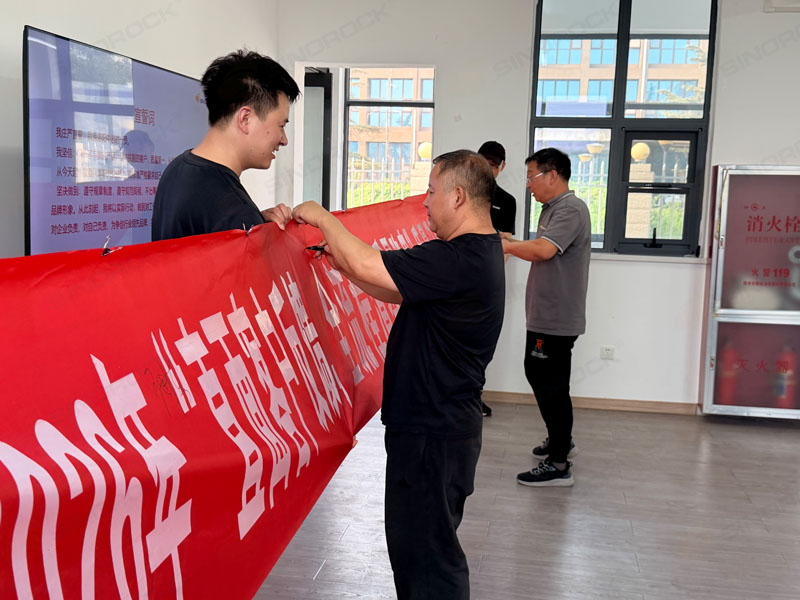
Quality Is a Long-Term Commitment

Although Quality Month was carried out throughout July, SINOROCK’s commitment to quality improvement extends far beyond a one-month campaign.

Through meetings, practical training, competitions, inspections, and internal communication activities, quality awareness has been further integrated into daily operations.

“Addressing Customer Feedback and Eliminating Quality Risks Across the Entire Process” represents not only the theme of the 2026 Quality Month Campaign but also SINOROCK’s long-term commitment to customer-oriented quality management.

Moving forward, SINOROCK will continue to focus on customer needs, strengthen quality control throughout the entire production process, proactively identify and eliminate potential risks, and continuously improve product quality and service capabilities.

Driven by continuous improvement and a strong commitment to quality, SINOROCK will continue providing reliable, high-quality self-drilling anchor bolt products and engineering solutions to customers worldwide.
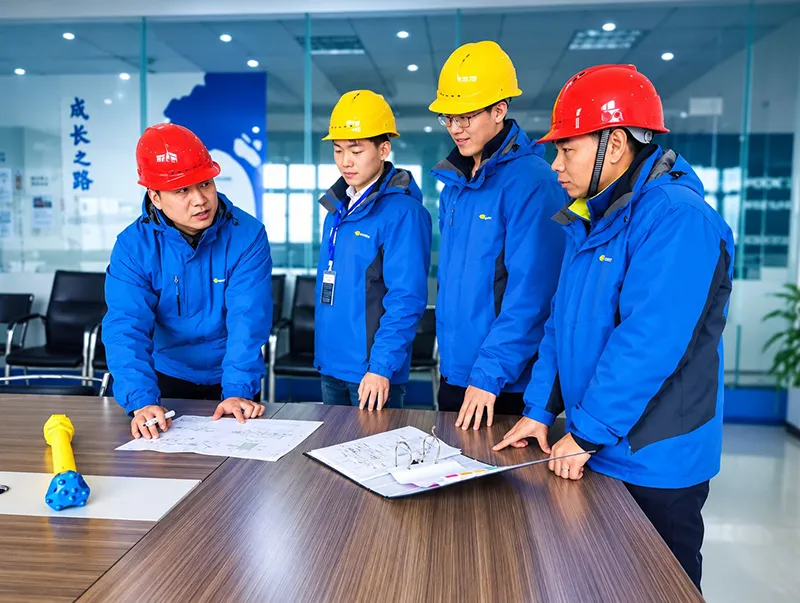
In tunneling, pre-support refers to techniques used to stabilize the ground ahead of the tunnel face before main excavation. This is particularly important in weak, fractured, or water-bearing soils to prevent collapses, excessive deformation, and water inflow, ensuring safety and maintaining construction quality.

1. Classification of Tunnel Pre-Support Methods

Based on the mechanism and construction method, tunnel pre-support methods can be classified into four major categories:

1.1 Pipe Roofing and Umbrella Arch

Pipe roofing and umbrella arch methods stabilize the ground by inserting steel pipes along the tunnel crown outside the excavation profile, forming a rigid arch to support the overlying soil. They provide high stiffness and strong load-bearing capacity.

Pipe Roofing / Umbrella Arch: Suitable for tunnel portals, shallow tunnels, or crossing important structures or faulted zones where settlement control is critical.

Pipe Canopy Method: Commonly used for large-section or shallow tunnels, especially under railways or rivers, forming a temporary waterproof enclosure.

Jet-Grouting Pipe Roof: For soft, saturated, and flowable soils; forms a consolidated shell combining strength and waterproofing.

Steel Tube Slab (STS) Pipe Roof: Provides extremely high stiffness for tunnels under critical infrastructure, controlling settlement to minimal levels.

Freeze-Sealing Pipe Roof (FSPR): Combines pipe roof and freezing for shallow, large-section tunnels in high water or soft soils.

1.2 Forepoling and Small Pipes

These methods insert inclined rods or small pipes ahead of the tunnel face to connect the ground with the support structure, providing reinforcement and stability.

Rock Bolts: Suitable for low-stress, fractured rock with low groundwater.

Small Pipe Canopy / Forepoling: Common in shallow tunnels with class IV or higher rock; cost-effective and flexible.

Self-Drilling Anchors: Ideal for broken, loose, or unboreable soils, such as fault zones, gravel, or fill.

Glass Fiber Reinforced Polymer (GFRP) Bolts: Can be cut directly by tunnel boring machines (TBM), used at TBM launch or arrival zones.

1.3 Grouting and Jet Grouting

Grouting techniques inject cementitious or chemical grout into the soil to fill voids, consolidate the ground, and reduce permeability.

Pre-Grouting: Effective in fractured rock, fault zones, and water-bearing sands, enhancing strength and reducing permeability.

Horizontal Jet Grouting: For soft, saturated soils (mud, silt, clay, fine sand), forming continuous reinforced waterproof barriers.

Sleeve Valve Pipe Grouting: Used in non-homogeneous soils, allowing precise control of grout injection with minimal disturbance.

1.4 Ground Freezing

Ground freezing uses artificial refrigeration to turn water in soil into ice, creating a high-strength temporary support and waterproof barrier.

Artificial Ground Freezing (AGF): Suitable for high water pressure, quicksand, and soft saturated soils that are difficult to stabilize by conventional grouting.

Freeze-Sealing Pipe Roof (FSPR): Combines pipe roofing and freezing advantages for shallow, large-section tunnels.

Saltwater and Liquid Nitrogen Freezing: Saltwater freezing for routine construction; liquid nitrogen for rapid or emergency freezing.

In practice, composite methods (e.g., pipe roof + small pipe grouting) are often used to combine the advantages of different techniques for optimal support.

2. Comparison of Tunnel Pre-Support Methods

Selecting an appropriate pre-support method requires balancing geological conditions, environmental requirements, cost, and construction speed.

Scroll to Top

Get A Quote Now !

Contact Form
Your information is safe with us and will not be shared.
Need a quote or more information? We're here to help!
popup team