Foundation
Self-Drilling Anchor Bolt Systems for Foundation Engineering
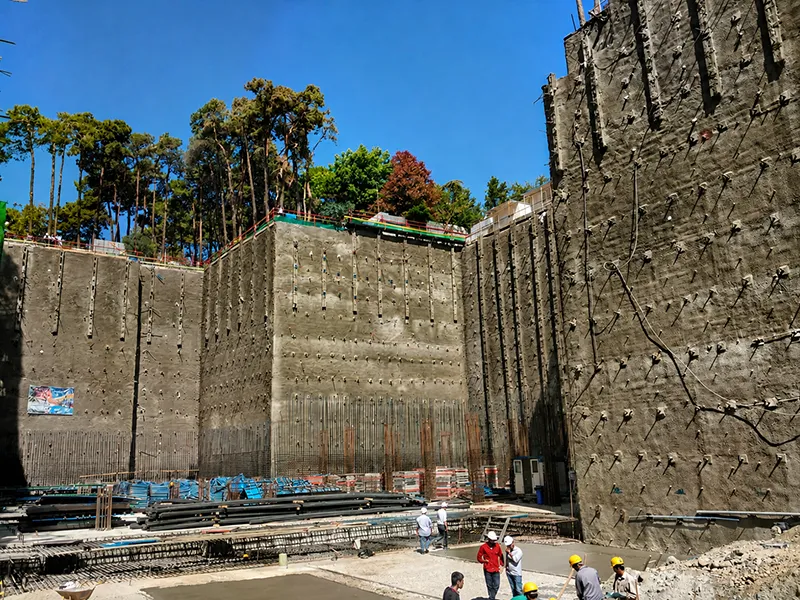
Self-drilling anchor bolt systems provide efficient and reliable solutions for foundation engineering applications, including foundation reinforcement, micropiles, and soil nailing. They are widely used in new building foundations, existing structure reinforcement, excavation support, and ground stabilization projects.
The system integrates drilling, grouting, and anchoring into a single operation, making it suitable for complex geological conditions such as fractured rock, loose soil, and unstable formations. Compared with conventional anchoring methods, self-drilling anchors eliminate the need for separate casing installation and improve construction efficiency while reducing project costs.
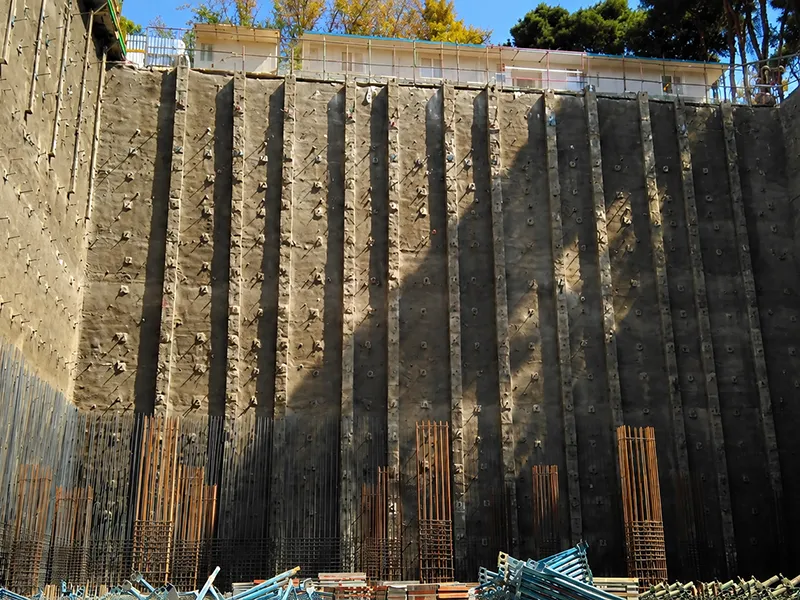
Self-drilling anchor systems are widely used for strengthening existing foundations, supporting new structures, and reinforcing unstable ground conditions. They provide reliable load transfer and improve foundation stability in projects where traditional reinforcement methods are difficult to apply.
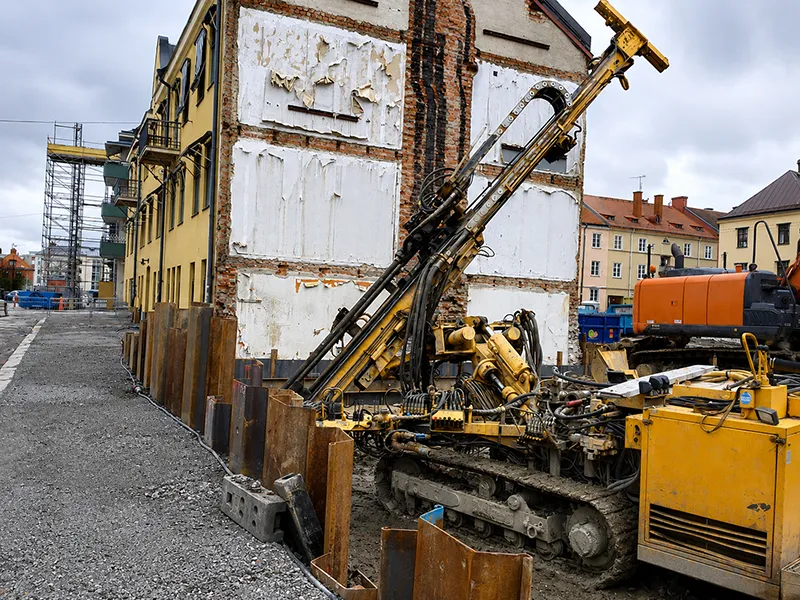
Compared with conventional micropile construction methods, self-drilling micropiles reduce construction procedures, improve installation efficiency, and are suitable for projects requiring high bearing capacity in limited-access areas such as basements, existing buildings, and urban construction sites.
The self-drilling anchor bolt system provides immediate stabilization by drilling and grouting the anchor simultaneously. Due to its flexible installation method and strong adaptability, reducing the risk of borehole collapse in loose or unstable soils.
Projects
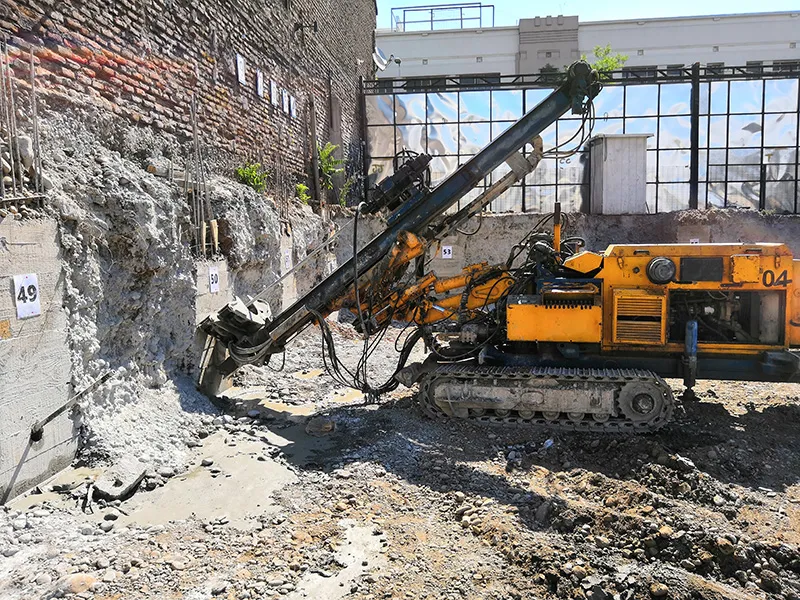
In foundation engineering, self-drilling anchor systems can be applied as foundation reinforcement anchors, micropiles, and soil nails for various construction scenarios, replacing traditional steel bar anchors, anchor cables, and conventional micropile systems.
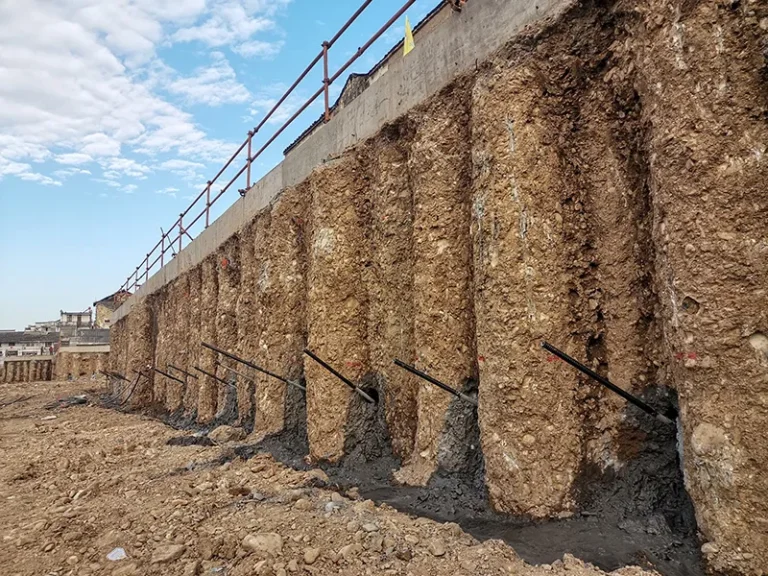
Huangshan Pedestrian Street Foundation Reinforcement
Location: China
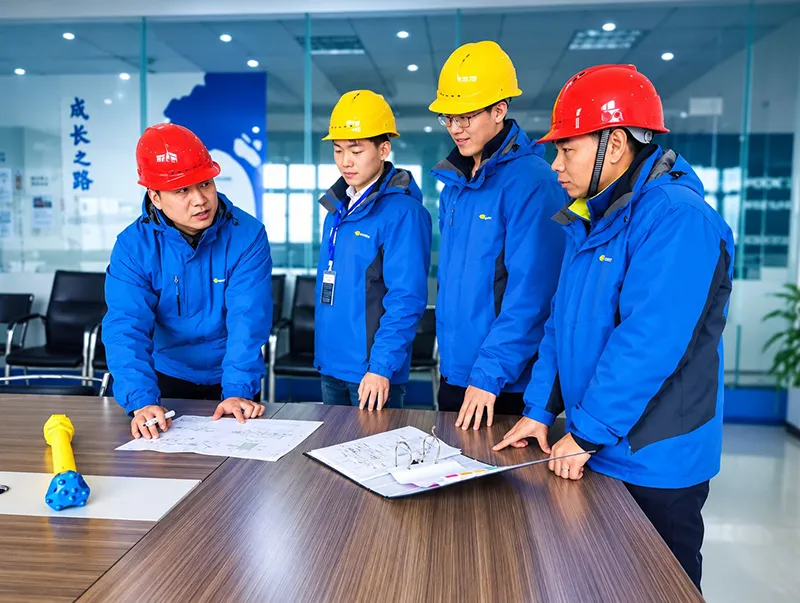
Services: R38 Self-Drilling Anchor Bolts, Dedicated Self-Drilling Anchor Rig, On-Site Technical Support
Recommended Specifications
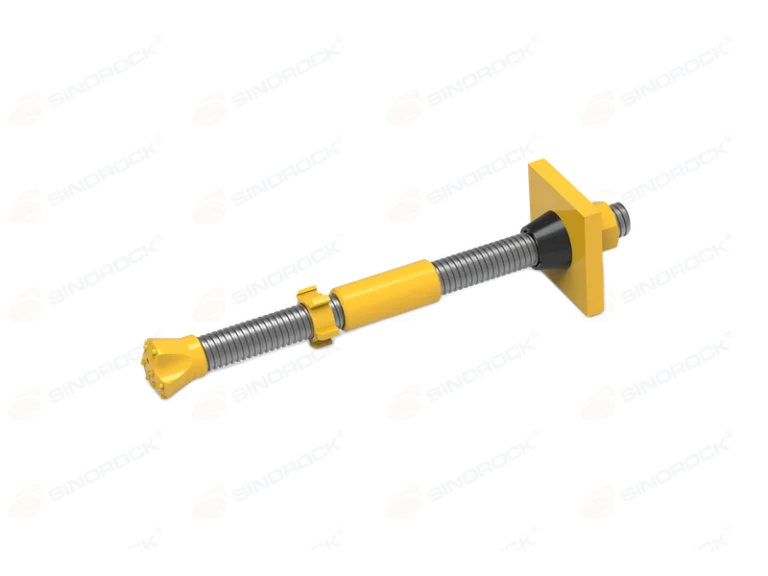
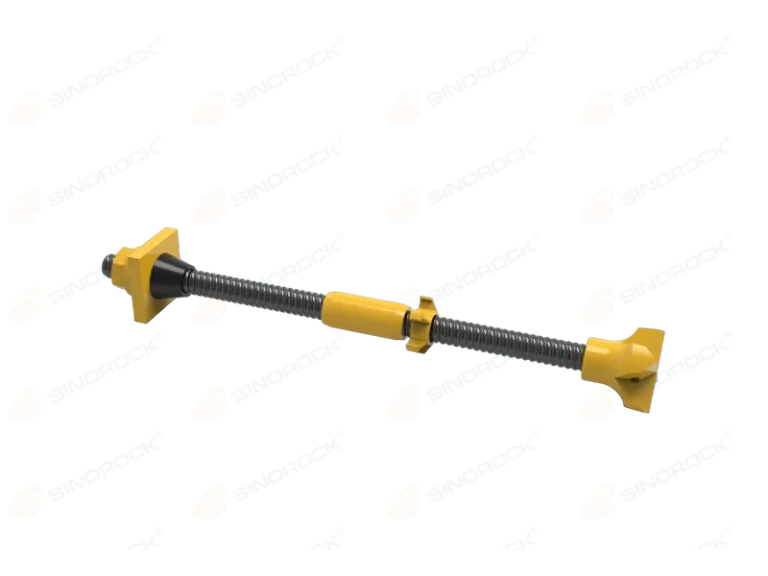
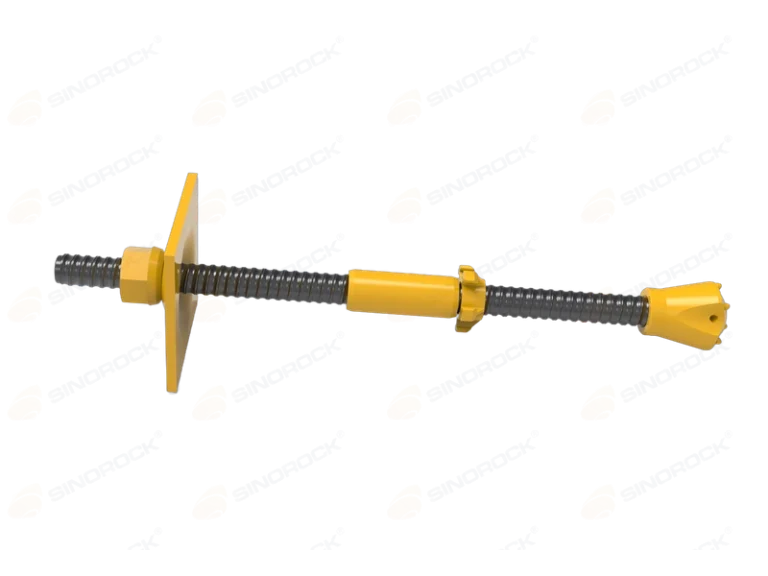
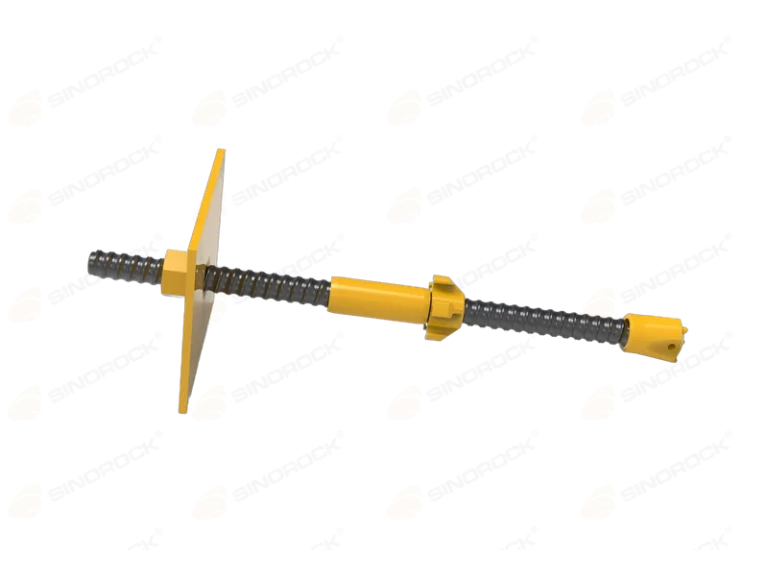
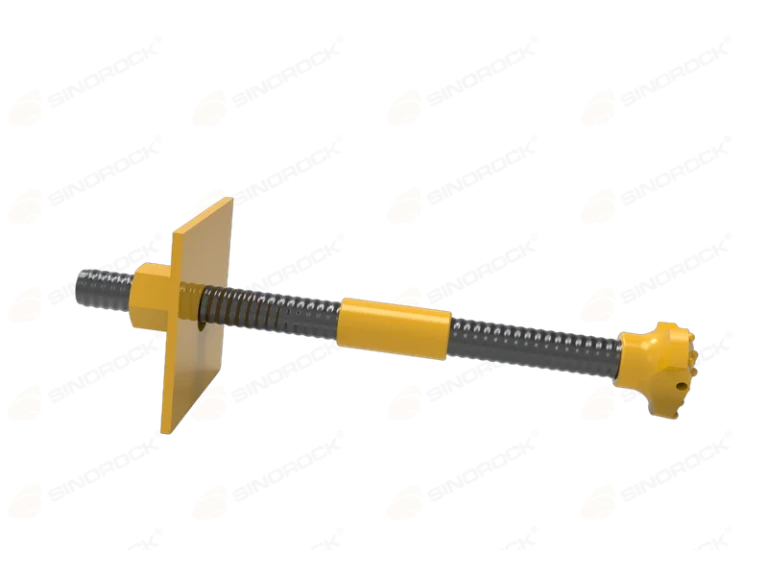
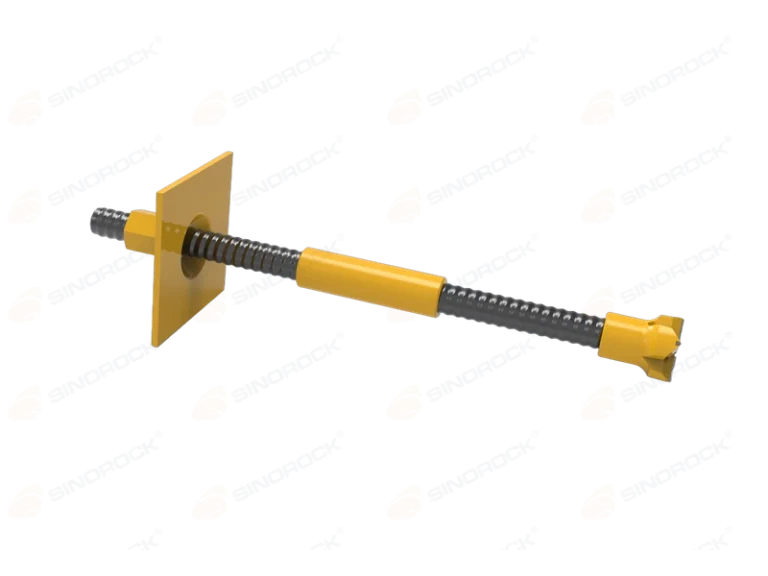
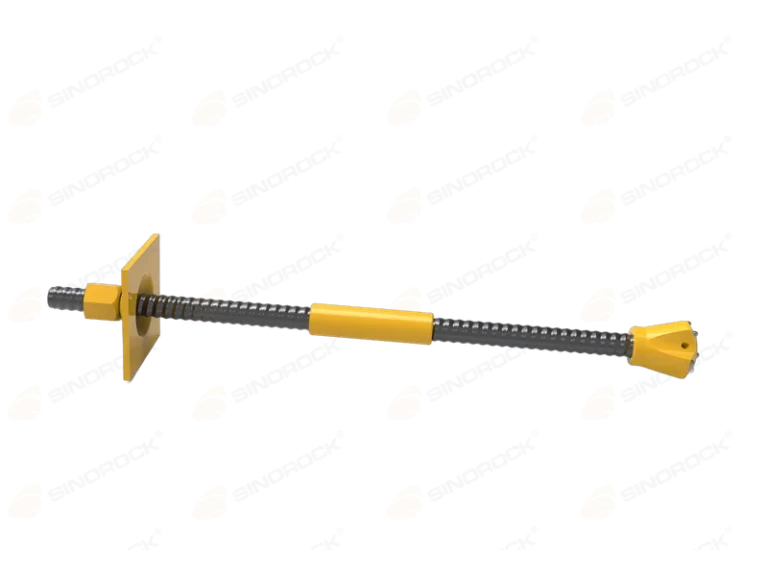
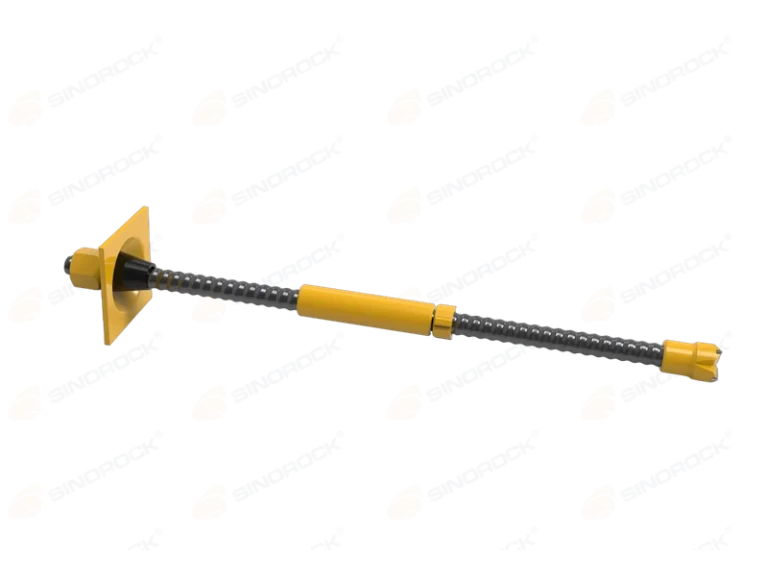
For foundation engineering applications, self-drilling anchor systems generally consist of hollow anchor rods, nuts, plates, couplers, centralizers, and drill bits. Depending on project requirements, specific components can be added or removed to achieve optimal construction performance.
Advantages in Foundation Engineering
High-capacity anchoring solutions for deep foundation and micropile applications.

High Construction Efficiency
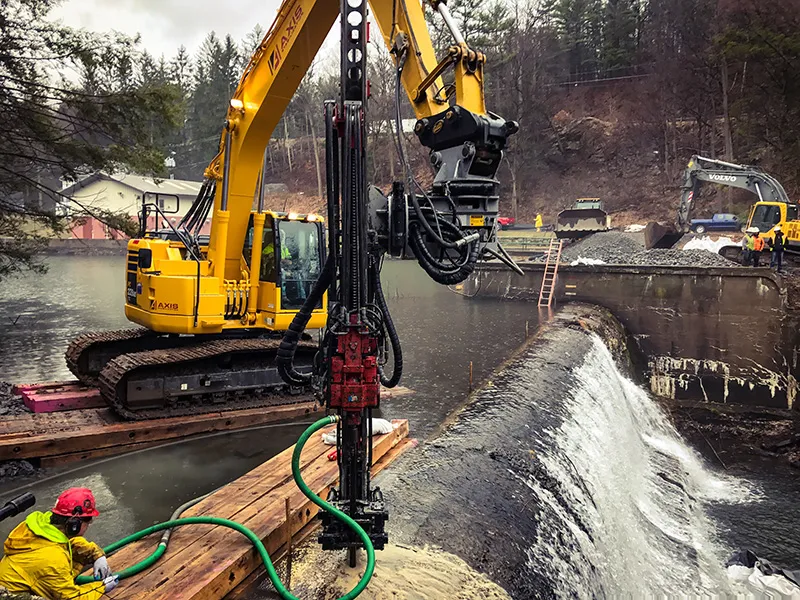
It integrates the functions of drilling, grouting, and anchoring, and can be used in various formations that are difficult for hole formation. Compared with casing pipes, its construction speed can be in-creased by 3 – 5 times, and construction costs can be reduced by over 40%.

Suitable for Construction in Spaces with Limited Clearance
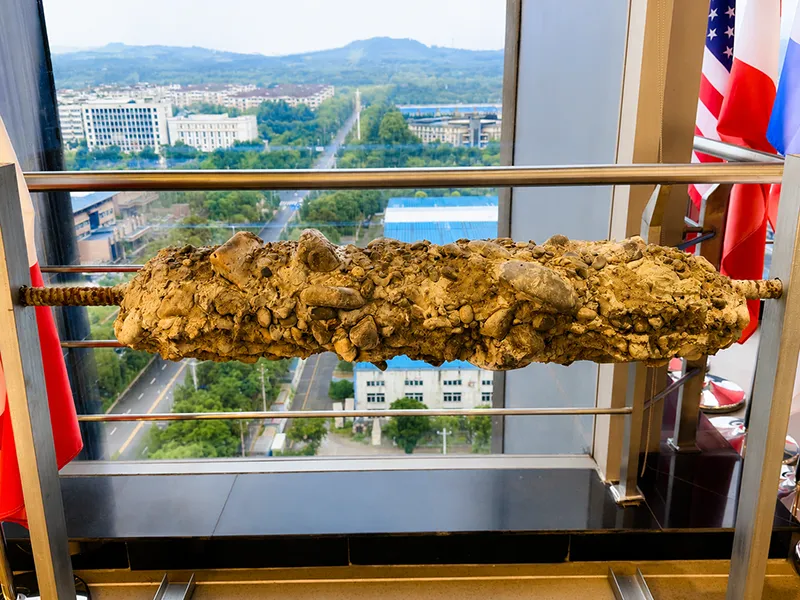
The hollow anchor rod has full-length threads and can be cut at any position and then extended using couplers. By using small-sized drilling rigs, construction can be carried out in confined spaces such as basements, on scaffolding, and in factories.

Excellent Anchoring Effect
The self-drilling anchor system grouts from the bottom of the hole, which effectively exhausts air. Meanwhile, the hollow structure of the self-drilling anchor bolt offers stronger bending and shear resistance. During construction, drilling and grouting are carried out simultaneously, which can enlarge the hole diameter and enhance the adhesive force with the hole wall.

High Construction Safety
The self-drilling anchor system causes minimal disturbance to broken rock and soil layers during construction, reducing the risk of surface collapse or falling rocks. Moreover, it is directly drilled in to complete the installation with fewer steps. Compared with the conventional method of placing the entire anchor rod at once, it is installed by couplers one by one, resulting in lower labor intensity and higher safety.

Low Construction Noise
In conventional construction, to cope with the impact of hole collapse on anchor rod installation, larger hole diameters need to be drilled, and this process generates significant construction noise. In contrast, the self-drilling hollow anchor system can achieve high anchoring force using smaller drill bits, resulting in relatively low construction noise.
FAQs
Self-drilling anchor systems are mainly used for foundation reinforcement, micropiles, soil nailing, excavation support, and ground stabilization.
Yes. Self-drilling anchor systems can function as micropiles for foundation support, underpinning, and load transfer applications, especially in restricted construction areas.
Self-drilling soil nails integrate drilling, grouting, and anchoring into one process, making them more suitable for loose, fractured, or unstable ground conditions.
Common specifications include R25, R32, R38, R51, T30, T40, T52, T76, T103, and T130.